Sealing & ingress control
Joint gap, surface variation, compression and exposure all affect the sealing approach. Final ingress performance depends on the assembled system and validation.

APPLICATION HUB
Custom gaskets, seals, pads and converted material components organized by operating conditions, assembly interfaces and the engineering problems they need to solve.
Start an Application ReviewAn application does not automatically call for one material or one part type. The operating environment, interface geometry, available compression, fluid or weather exposure, vibration and validation needs guide the selection of a gasket, seal, pad or other flexible component.
APPLICATIONS
These application pages frame the real engineering questions without making unsupported certification or performance promises.
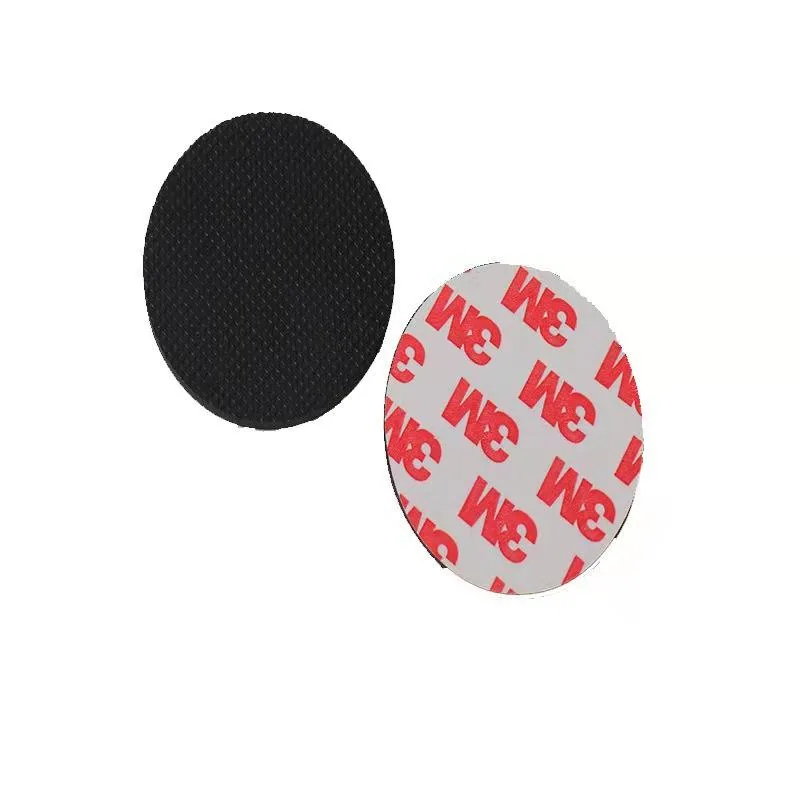 Application
 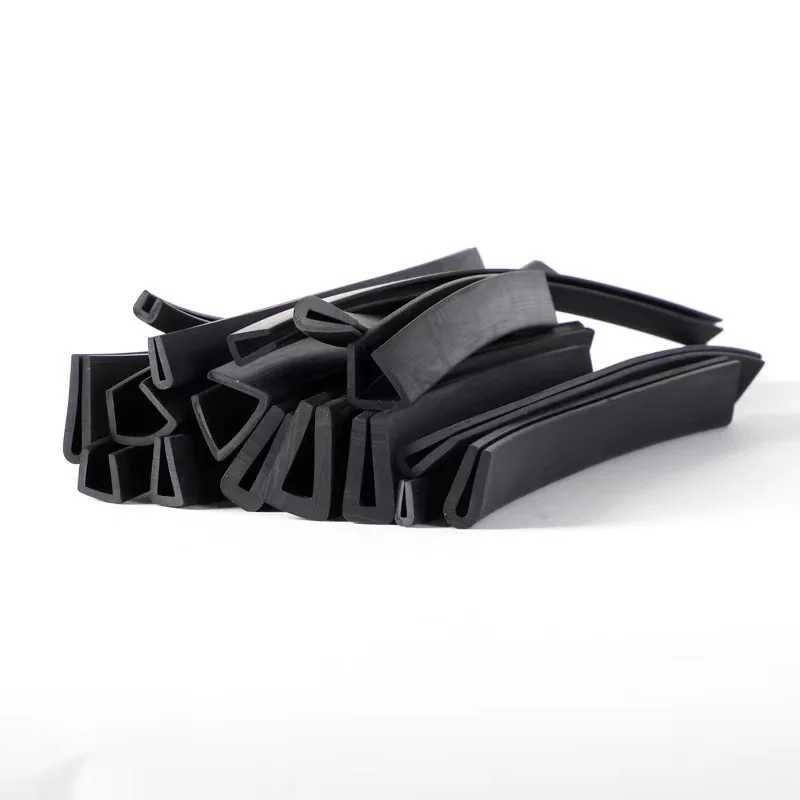 Application
 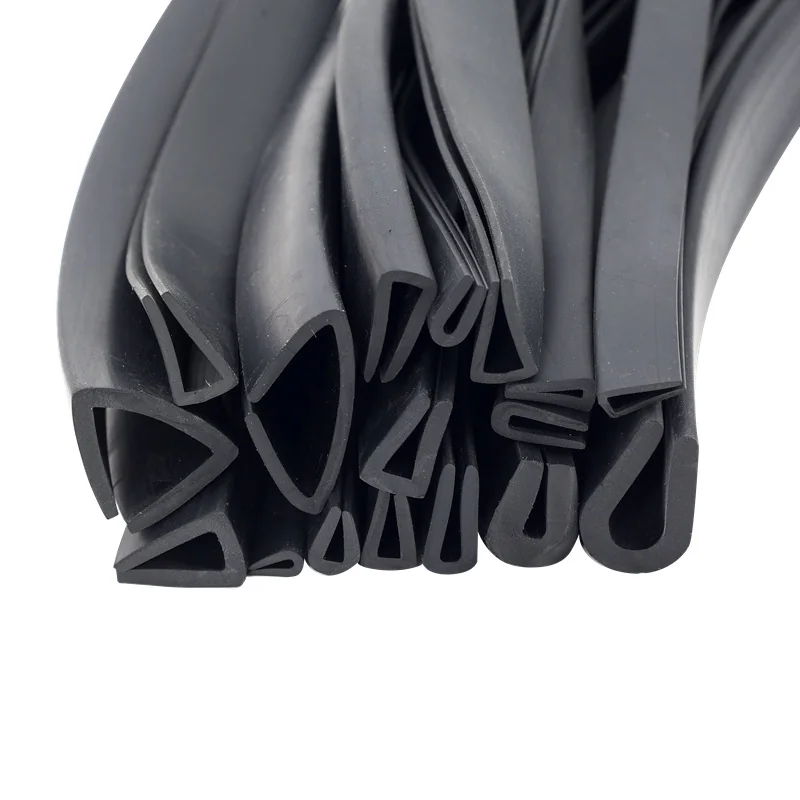 Application
 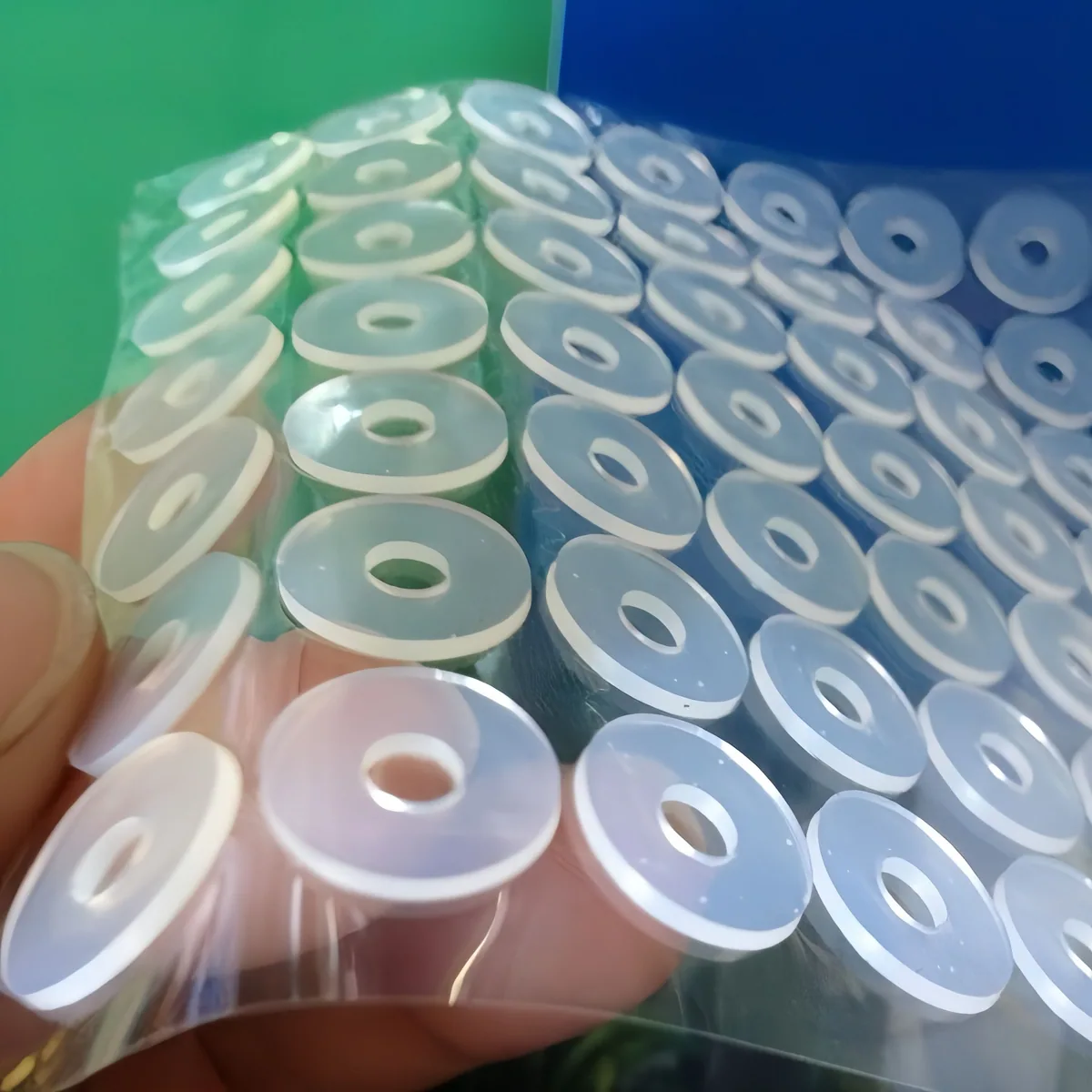 Application
 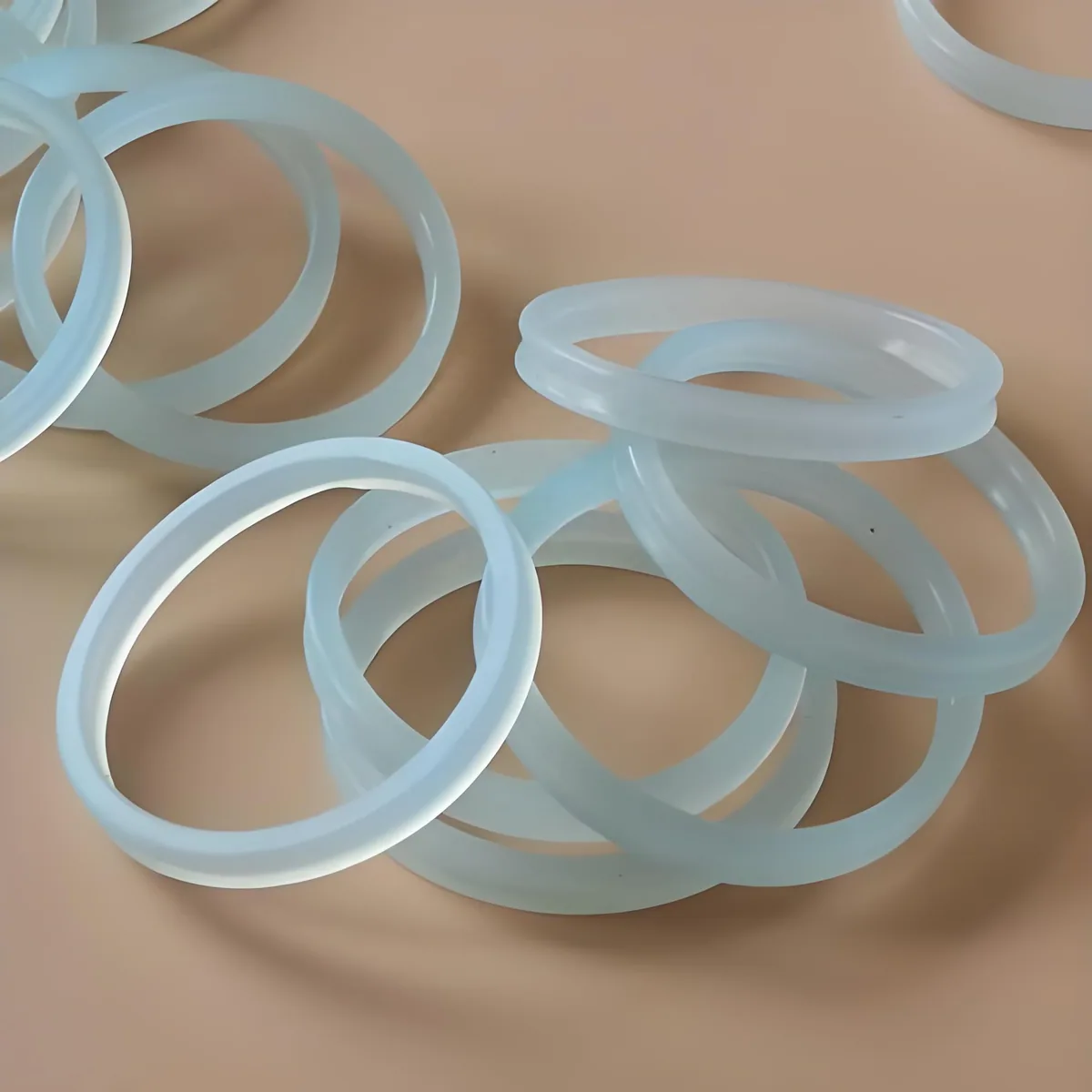 Application
 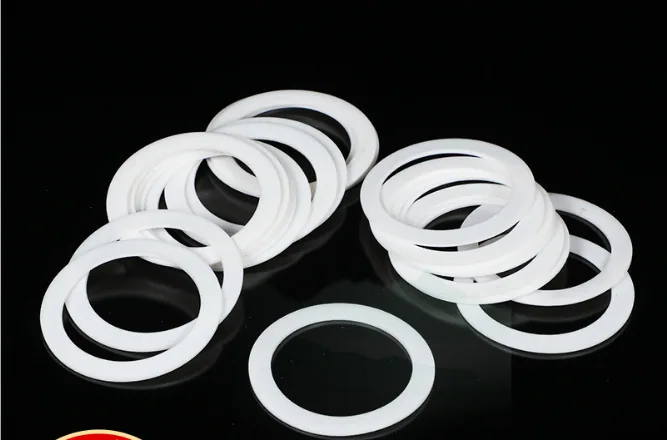 Application
 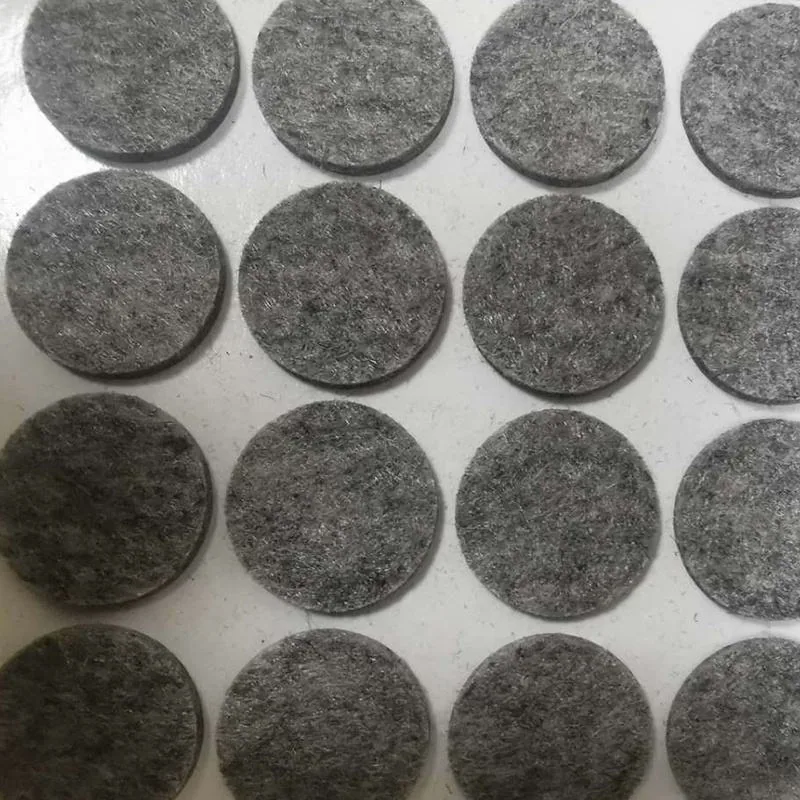 Application
 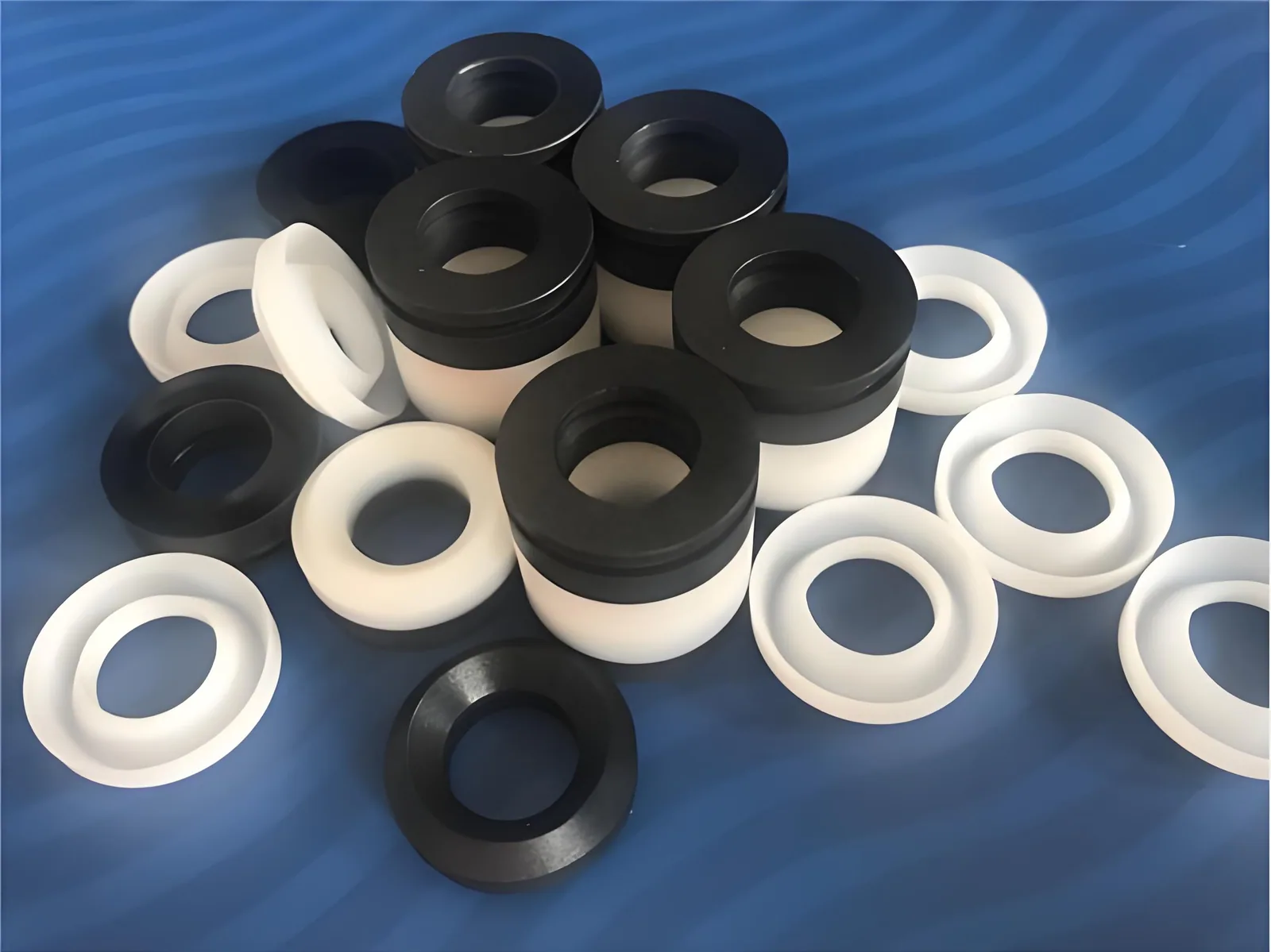 Application
 REQUIREMENTS MATRIX
Common starting points only. Material grade, part construction and final system validation remain project dependent.
| Application | Typical challenge | Common part types | Material factors | Design inputs |
|---|---|---|---|---|
| HVAC | Air, dust, vibration and panel sealing | Gaskets, foam seals, pads | Weather, compression, temperature conditions | Joint gap, closure method, environment |
| Electrical enclosures | Ingress, vibration and isolation needs | Foam or rubber gaskets, pads | Cell structure, compression, exposure | Enclosure geometry, assembled validation |
| Electronics | Cushioning, spacing and component protection | Foam pads, silicone pads, adhesive-backed parts | Cleanliness, recovery, contact compatibility | Contact area, compression, placement |
| Lighting | Enclosure interfaces and environmental exposure | Gaskets, foam seals, pads | Material grade and exposure | Housing geometry, mounting conditions |
| Food equipment | Washdown and material suitability | Gaskets, PTFE parts, mesh inserts | Exact grade and documentation | Cleaning conditions, contact requirements |
| Pumps and valves | Fluid sealing and interface load | Gaskets, washers, PTFE gaskets | Media, load and temperature conditions | Fluid, pressure, sealing geometry |
CONDITION BLOCKS
Use the primary condition to guide the first material and part discussion; then confirm the combined conditions in the actual assembly.
Joint gap, surface variation, compression and exposure all affect the sealing approach. Final ingress performance depends on the assembled system and validation.
Material families can be reviewed around temperature conditions, but the selected grade, duration and combined exposure determine suitability.
Identify the actual media and contact conditions. A material often considered for one fluid environment is not automatically suitable for every exposure.
Contact surfaces, load, movement, recovery and available space guide foam or elastomer pad selection.
Clarify the intended isolation function and the contact construction; material name alone does not define system-level performance.
Where food-contact requirements apply, confirm the exact grade and supporting documentation for the specific project.
APPLICATION REVIEW
A concise project description is more useful than a generic material request because it connects the part to the conditions it must handle.
Describe the equipment, interface and part function.
State exposure, temperature conditions, movement and contact surfaces.
Identify a gasket, seal, pad, washer or unknown component profile.
Review material family, grade, thickness and adhesive construction if relevant.
Share geometry, quantity and required delivery format for a project review.
APPLICATION TO PART
Send the application context alongside the drawing. That allows the material, part type and manufacturing route to be considered as linked decisions rather than separate lists.
Gasket selection begins with the operating conditions and assembly, including the interface geometry, media or weather exposure, temperature conditions, available compression, mounting method and required validation. Part type, material grade, construction and manufacturing route are then reviewed as a connected system.
No. Final ingress performance depends on material grade, compression, enclosure design and validation of the assembled system. Material names alone do not assign IP, NEMA, food-contact or other project requirements.
Provide the drawing, the part’s function, service environment, mating surfaces, closure or compression method, quantity and any project-specific validation or documentation requirement.
DRAWING-BASED MANUFACTURING
Share the drawing, operating conditions, interface details, material preference if known and quantity for a focused project review.