Which rubber is better for outdoor use?
EPDM is commonly considered when weather, water and outdoor exposure are important; the selected compound and project conditions still need review.
Compare EPDM and Neoprene →
TECHNICAL KNOWLEDGE HUB
Technical starting points for choosing flexible materials, gasket construction, cutting processes and the information needed for a drawing-based part review.
These guides are organized around engineering and procurement choices rather than as a general blog. Begin with the material, thickness, process or drawing question that is currently blocking the project, then move through the connected decisions.
START HERE
Common project questions provide a direct route into the most relevant guide.
Choosing a material?
TOPIC CLUSTERS
Resources explain how to make a choice; the related Hubs show the relevant materials, part types, processes and applications.
Compare material families and selection factors before specifying a part.
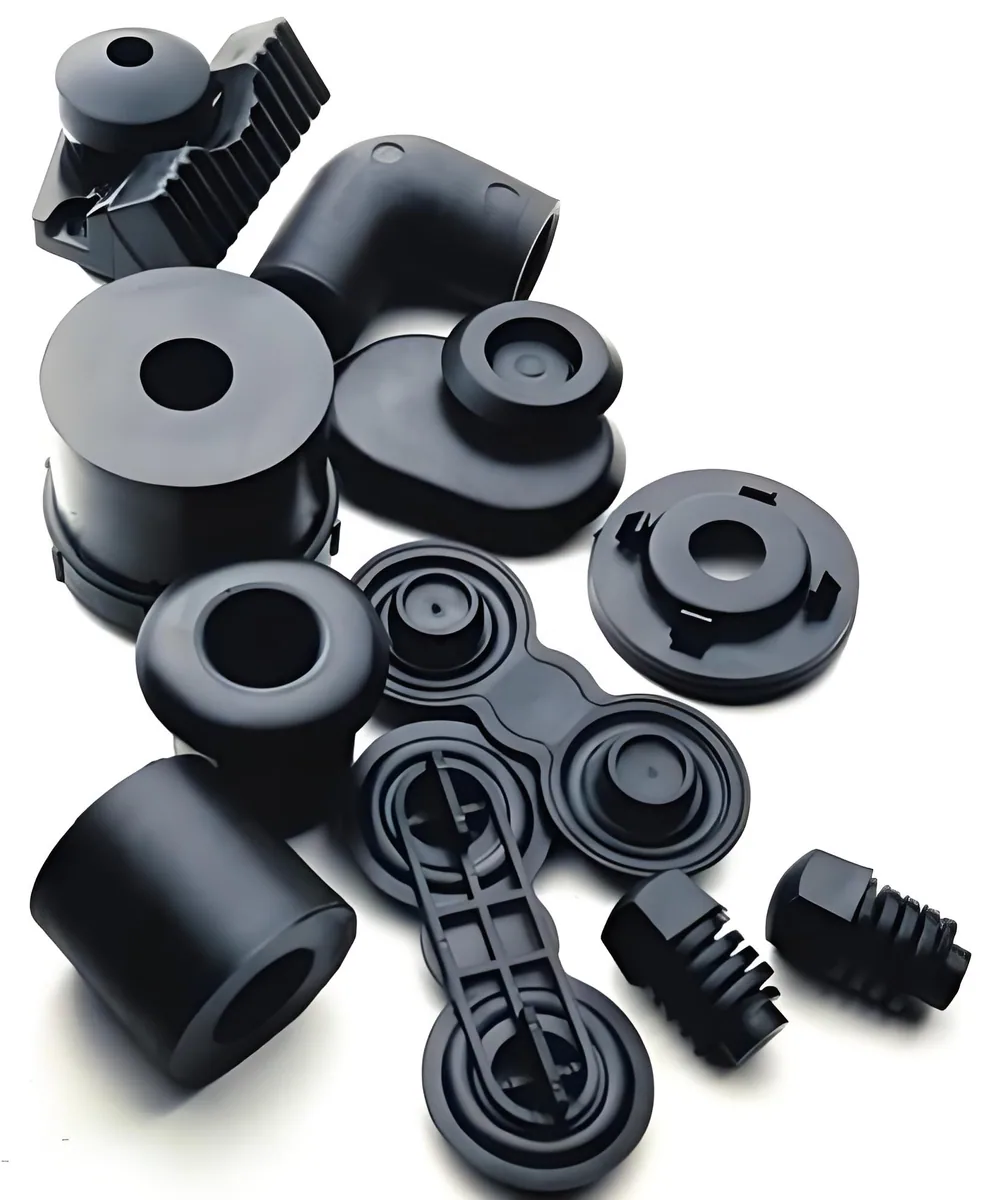 Guide
Guide 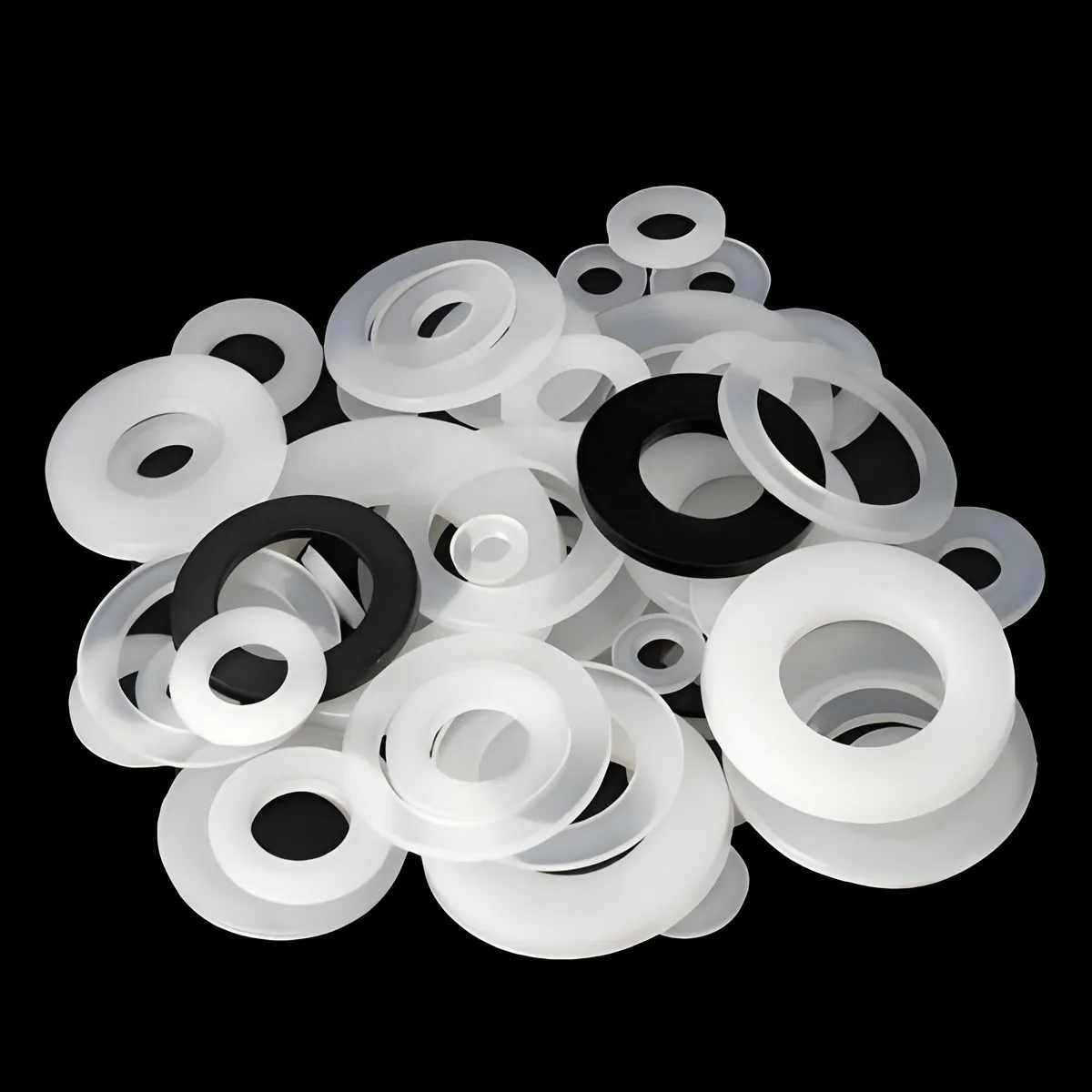 Guide
Guide 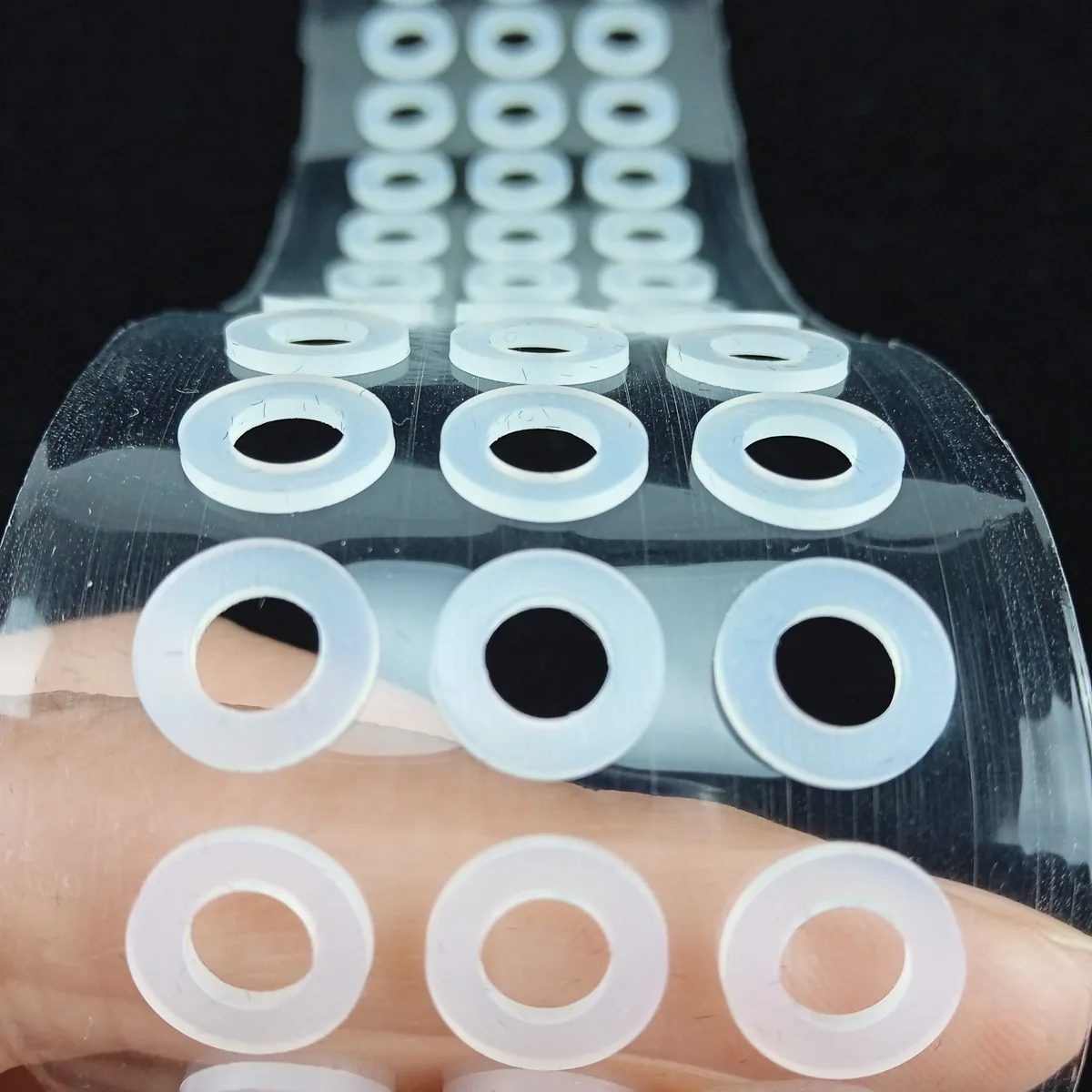 Guide
Guide 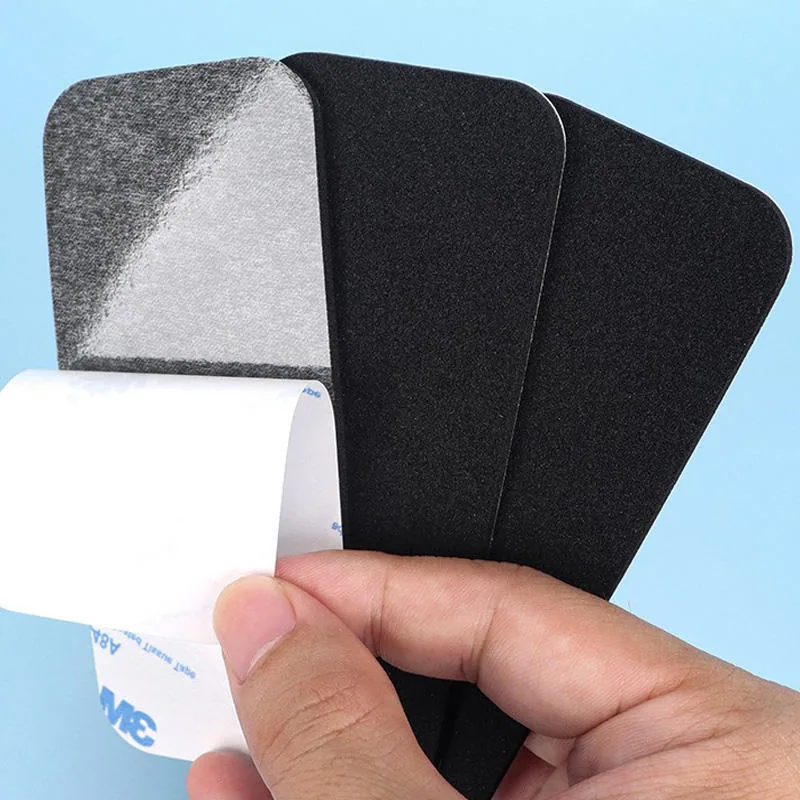 Guide
Guide 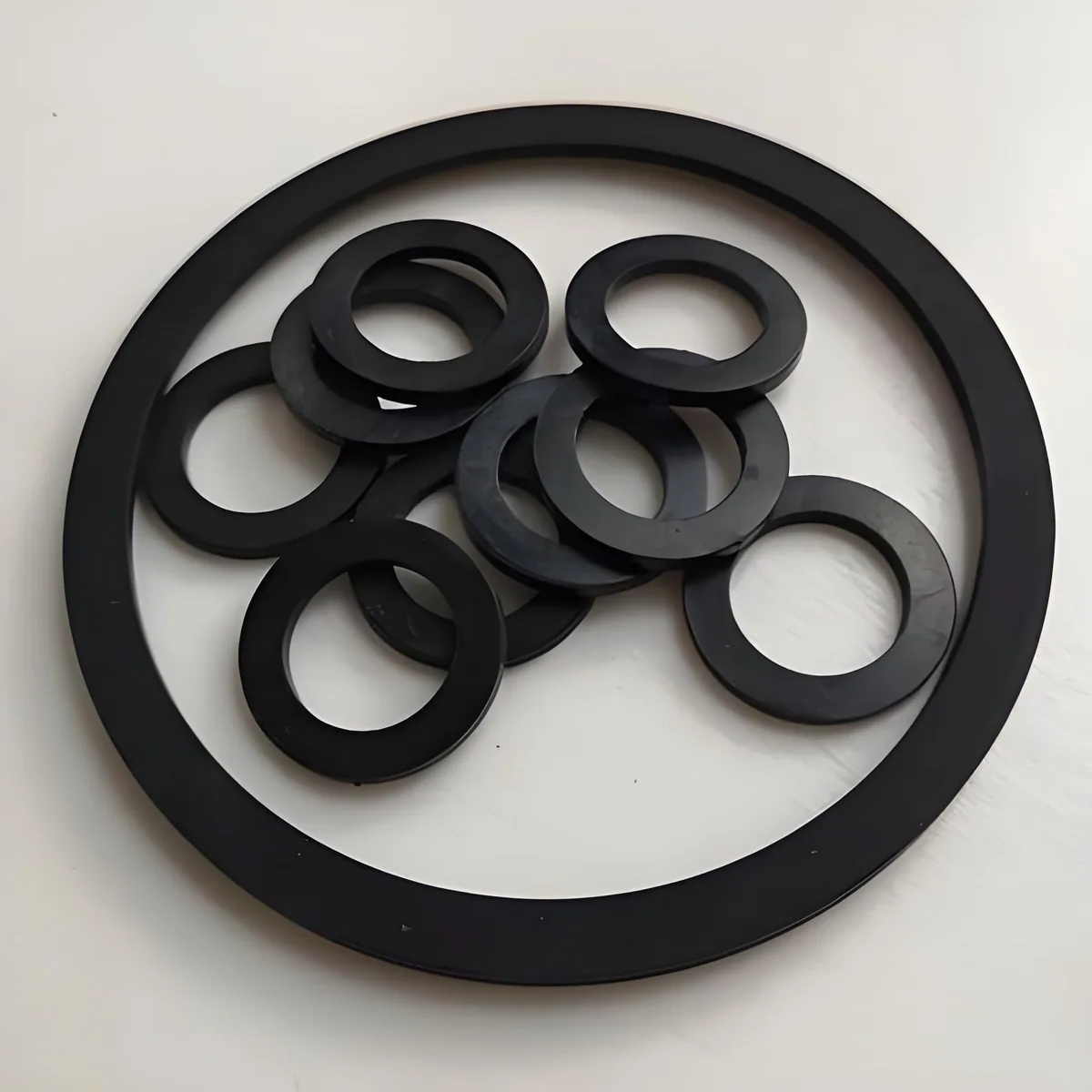 Guide
Guide Questions that connect the part profile and construction to the assembled interface.
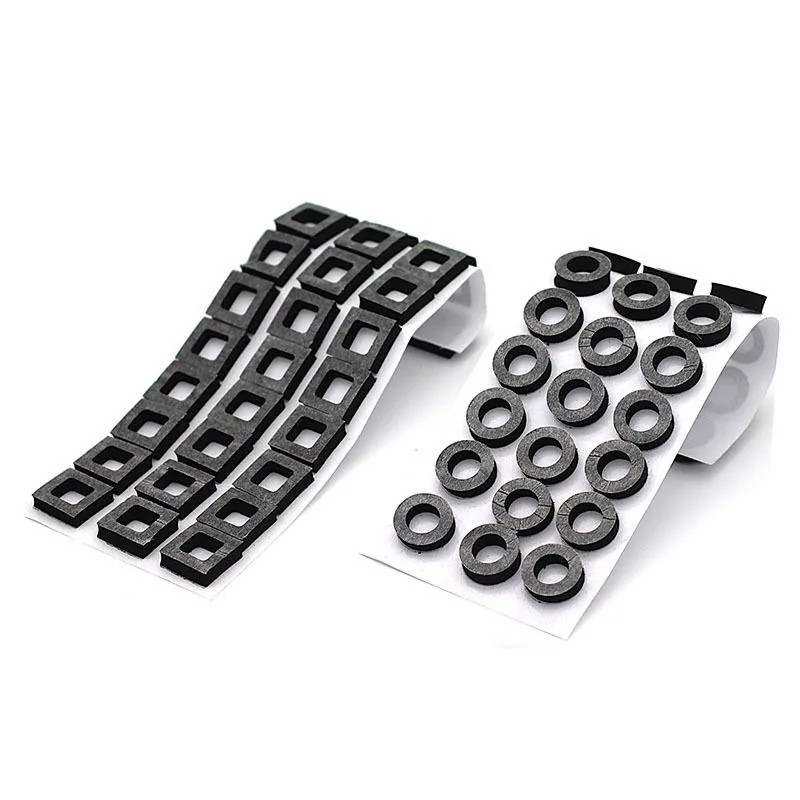 Guide
Guide 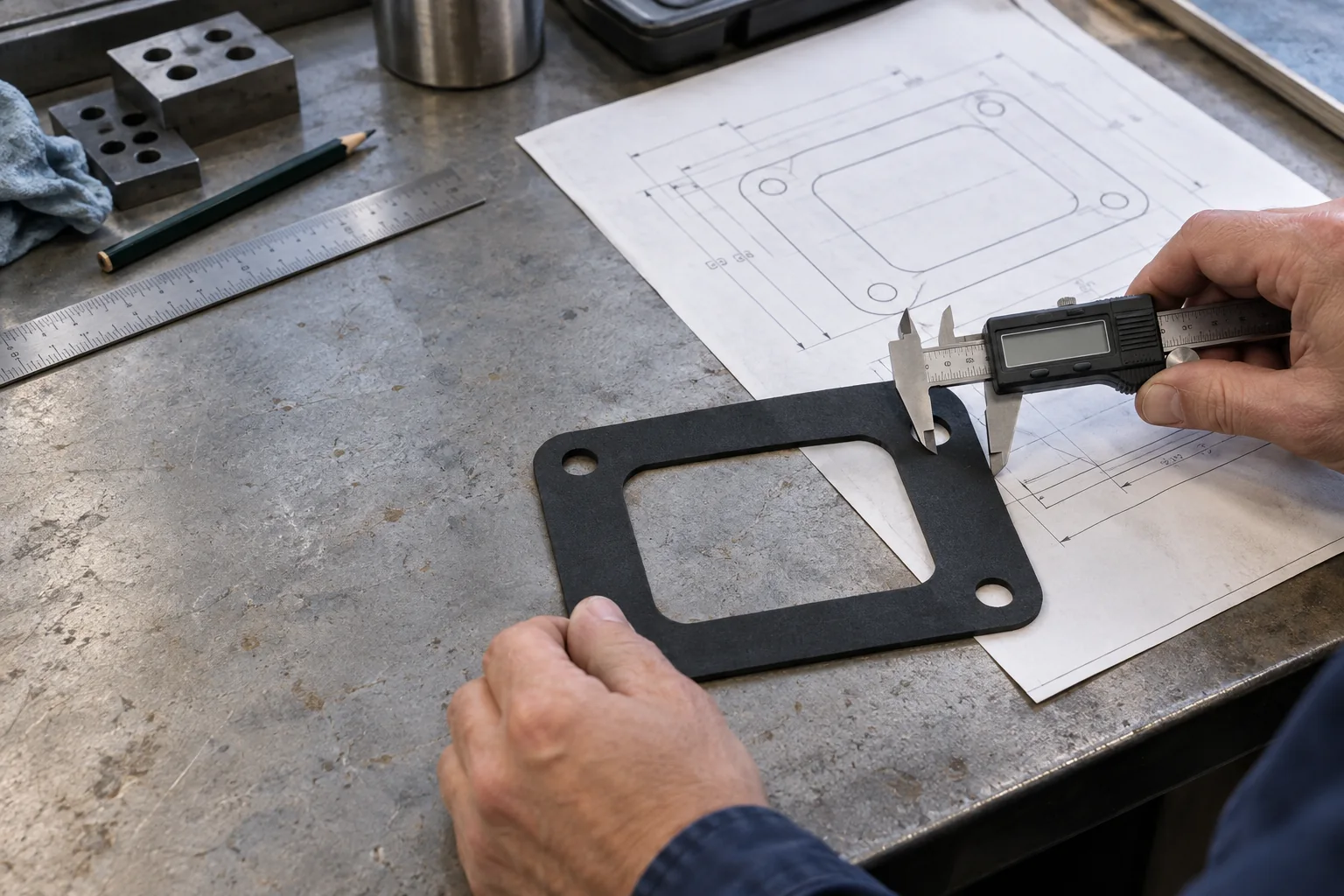 Drawing guide
 Compare process choices, liner handling and adhesive construction.
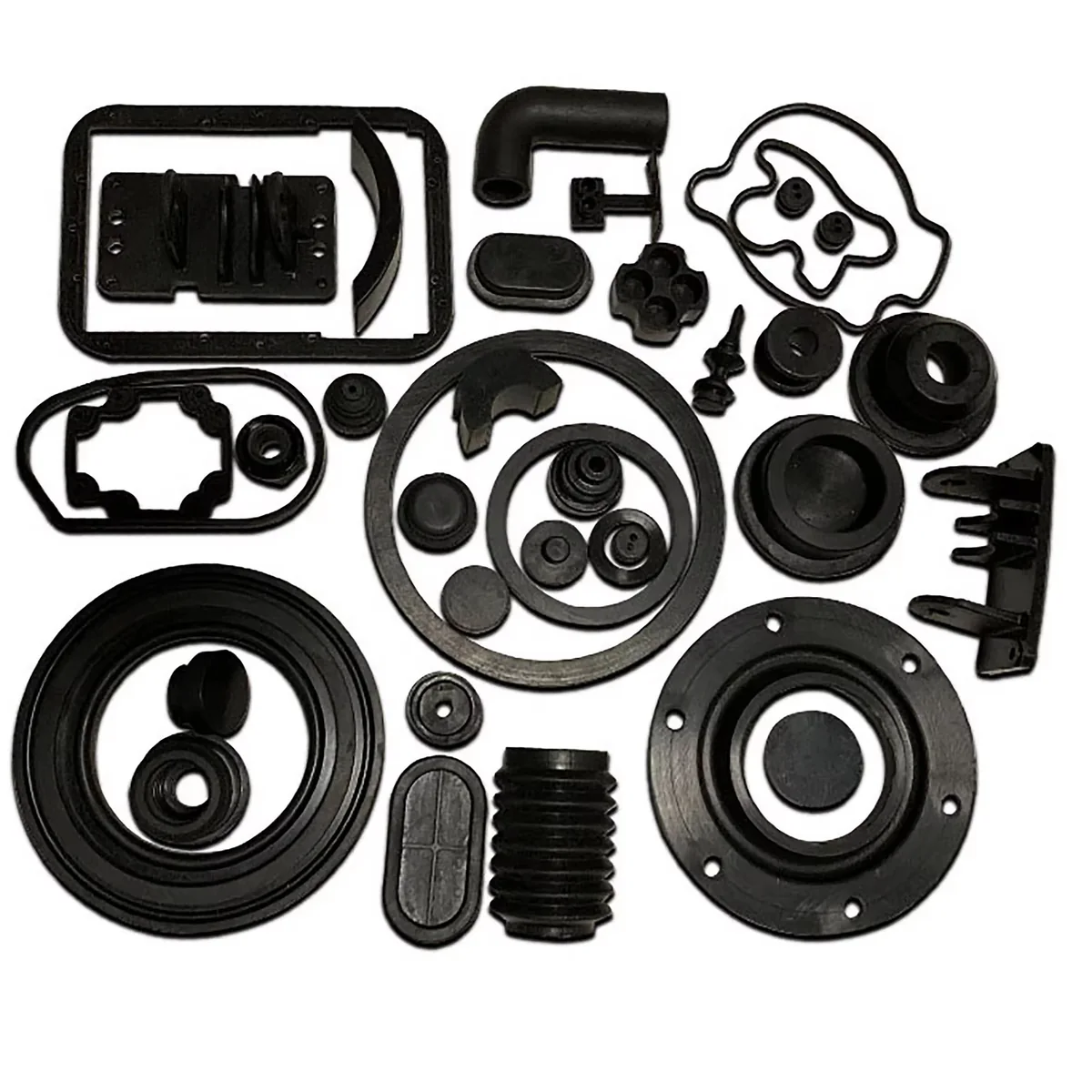 Guide
Guide 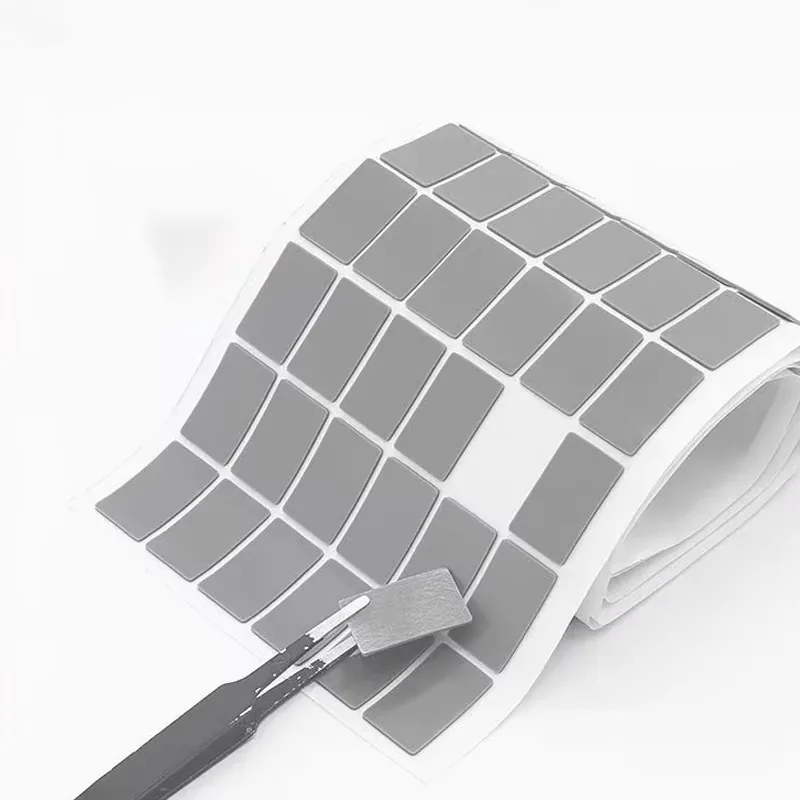 Guide
Guide 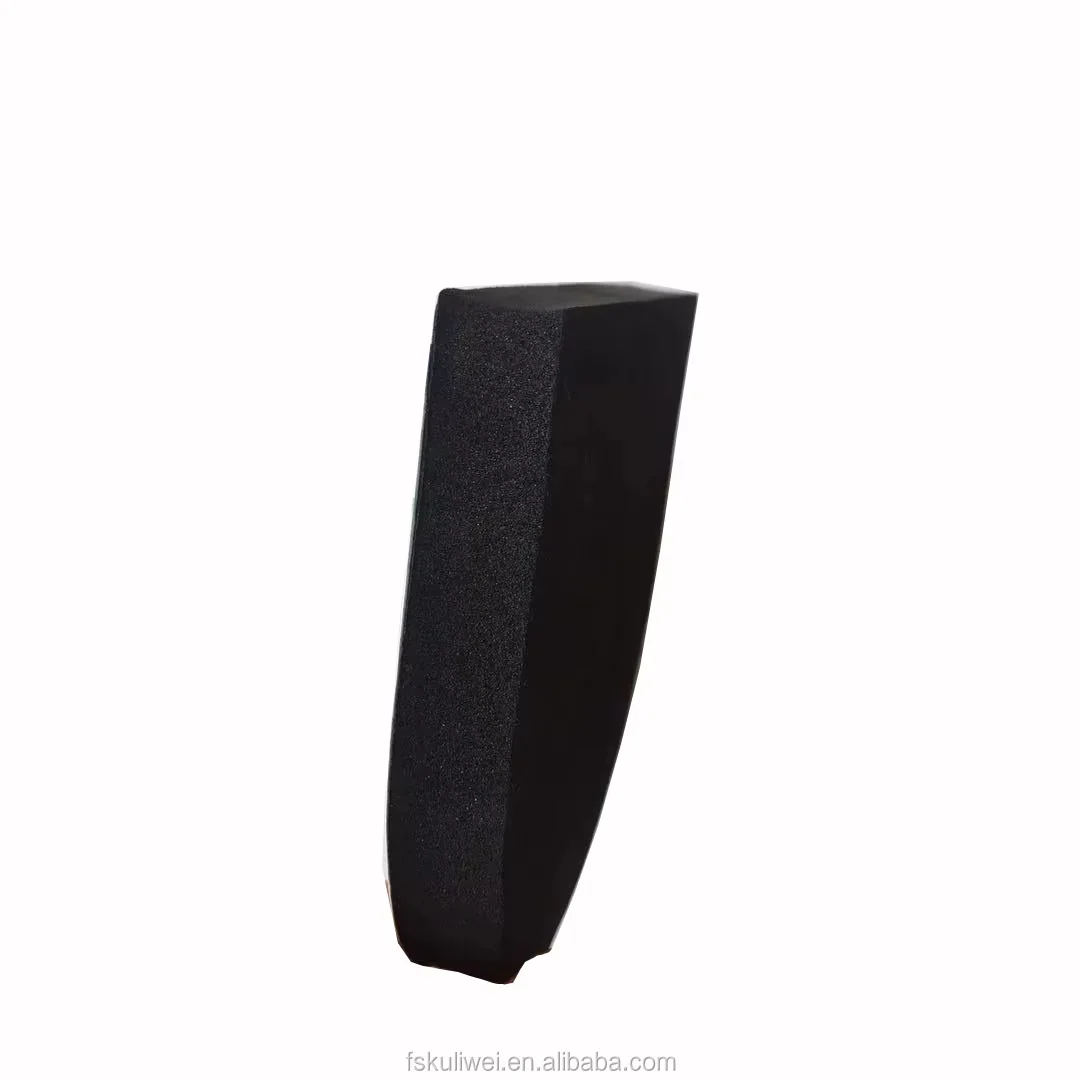 Guide
Guide Prepare information that gives a project review a practical starting point.
 Guide
Guide 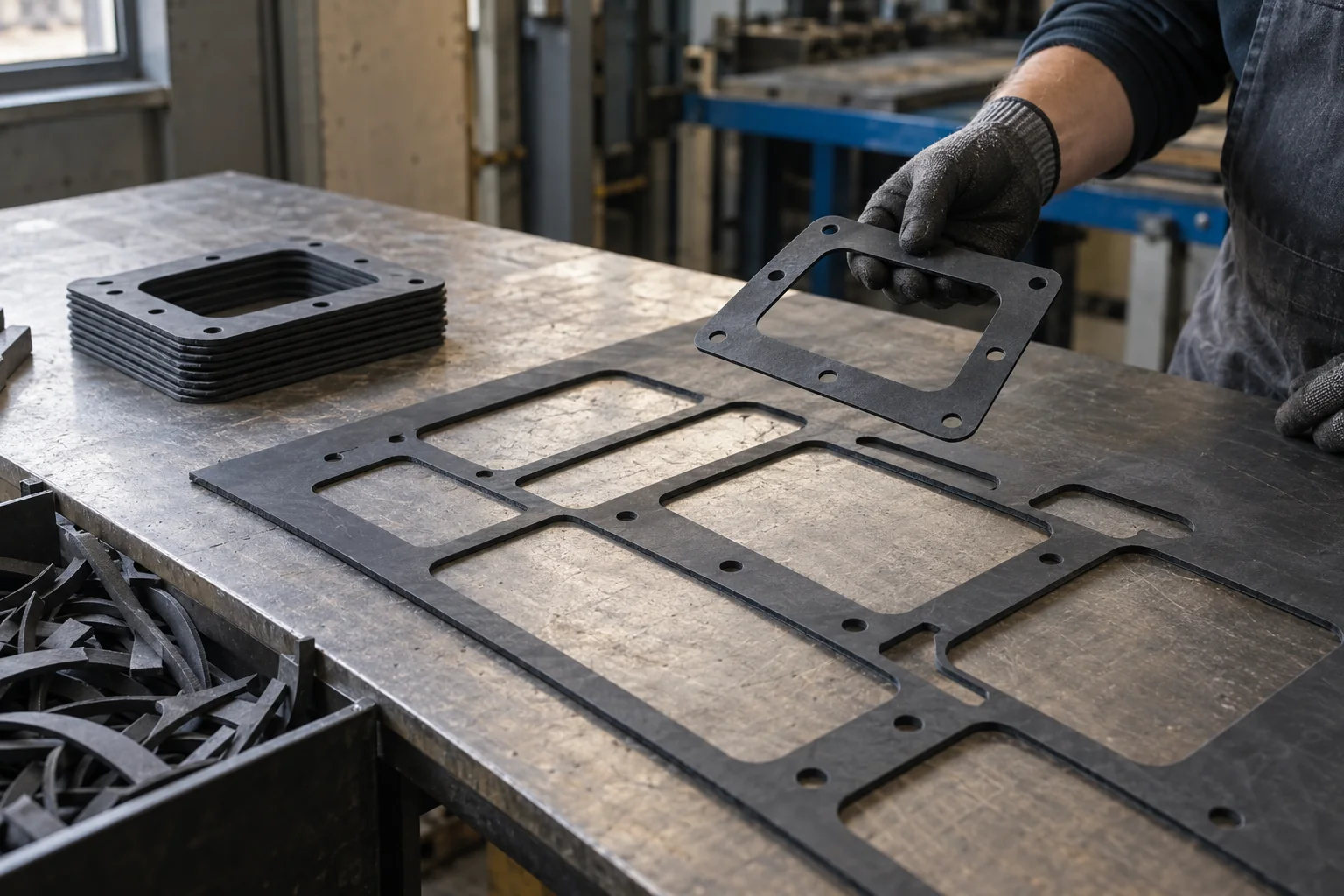 Cost guide
 POPULAR QUESTIONS
Each answer is deliberately brief and links to the guide that provides the decision context.
EPDM is commonly considered when weather, water and outdoor exposure are important; the selected compound and project conditions still need review.
Compare EPDM and Neoprene →NBR is often considered around oil-related exposure, while EPDM is commonly considered around outdoor weather and water exposure. Confirm the compound and actual media.
Compare NBR and EPDM →Cell structure affects moisture exposure, compression and cushioning. Start with the seal environment and assembly conditions rather than a generic foam label.
Read the foam guide →Thickness depends on joint geometry, available compression, surface variation and material behavior; there is no universal thickness for every gasket.
Read the thickness guide →CNC knife cutting is often considered for flexible, tooling-light prototype or changing projects; die cutting can suit repeat profiles. The drawing and program conditions decide.
Compare processes →A kiss-cut part has the component layer cut while its carrier liner remains intact, which can help with handling and placement.
Read the kiss-cut guide →A CAD file, PDF, dimensioned sketch or clear image can begin a review. Include material, thickness, quantity and application information where available.
See drawing file formats →Identify the holes, sealing land and locating edges that control fit. Treat the cut profile, sheet thickness and assembled seal as separate requirements.
Read the drawing guide →Material purchased, sheet yield, tooling, volume, secondary converting and pack-out all shape the complete quote.
Read the cost guide →KNOWLEDGE MAP
Move through this sequence when a project needs both an engineering choice and a practical quote.
Operating conditions and part function.
Material family and selected grade.
Gasket, seal, pad or washer.
Cutting, liner and construction route.
Geometry, quantity and review inputs.
ALL TECHNICAL RESOURCES
Guides explain selection factors, but they do not replace the actual drawing, material grade or assembled-system validation. Submit those details when the project is ready for a focused review.
DRAWING-BASED MANUFACTURING
Send your drawing, current selection question, material preference if known and application conditions for a practical next step.