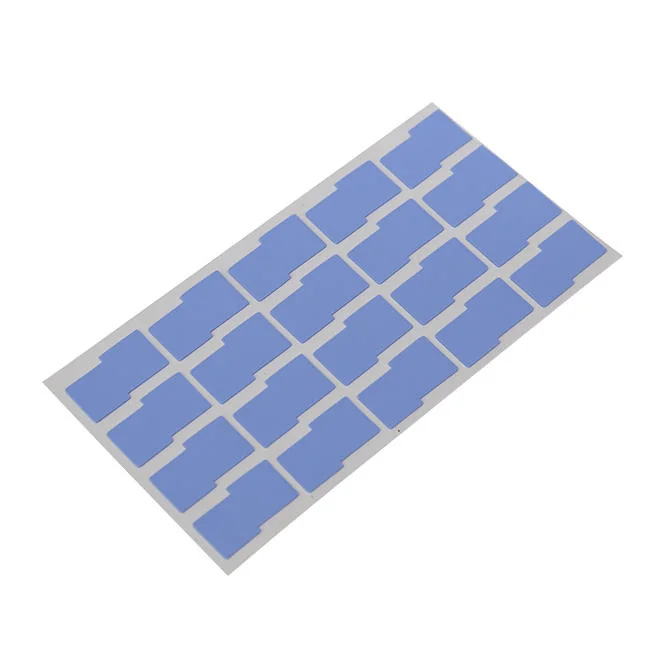
Profile & dimensions
A CAD file, PDF, dimensioned sketch or clear photo establishes the profile and critical interfaces.

PART TYPE HUB
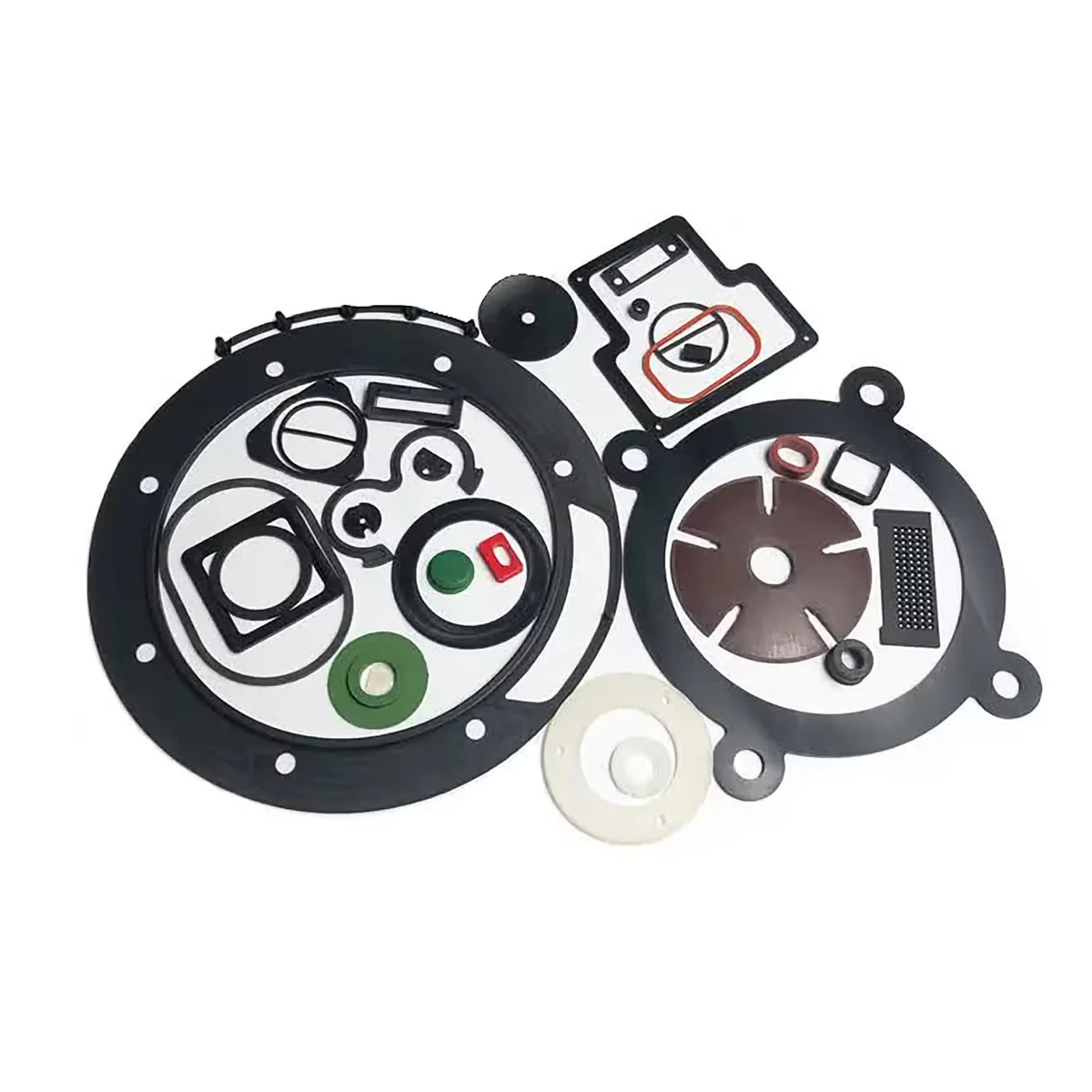
Drawing-based gaskets, pads, seals, washers and die-cut components made from rubber, foam, silicone, PTFE and other flexible sheet materials.
Upload a DrawingCustom cut parts are made from flexible sheet or roll material to a drawing, dimensions or defined application requirement rather than selected as fixed SKUs. A gasket, pad, seal or washer is specified by the relationship between its function, geometry, material, construction and assembly conditions.
FUNCTION FIRST
Start with what the part needs to do. The same part name can lead to different material and process choices, so these groups help frame the next engineering question.
Profiles designed around an interface, compression and service environment.
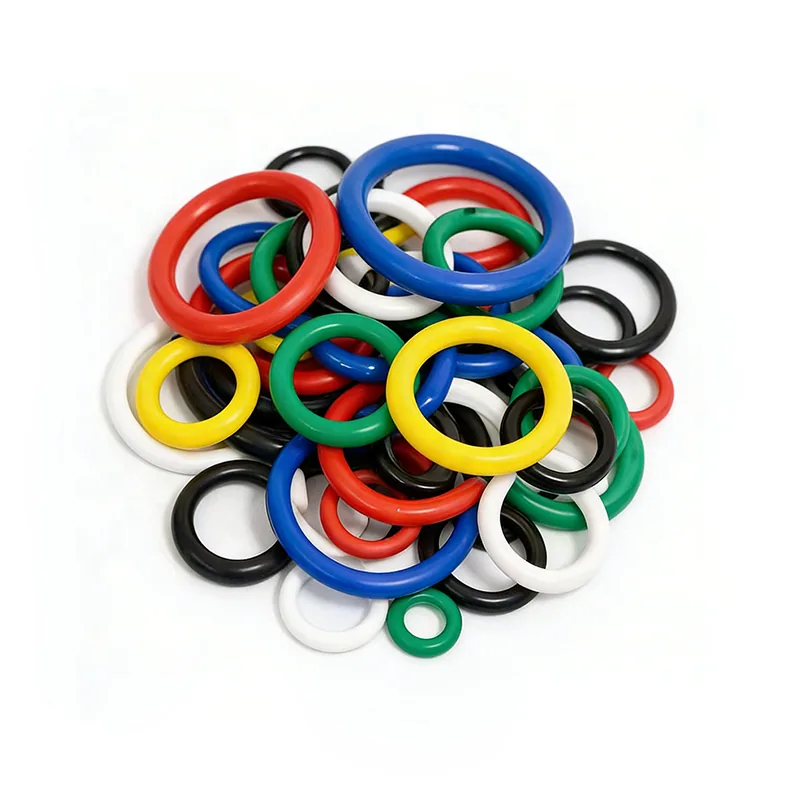 Part type
 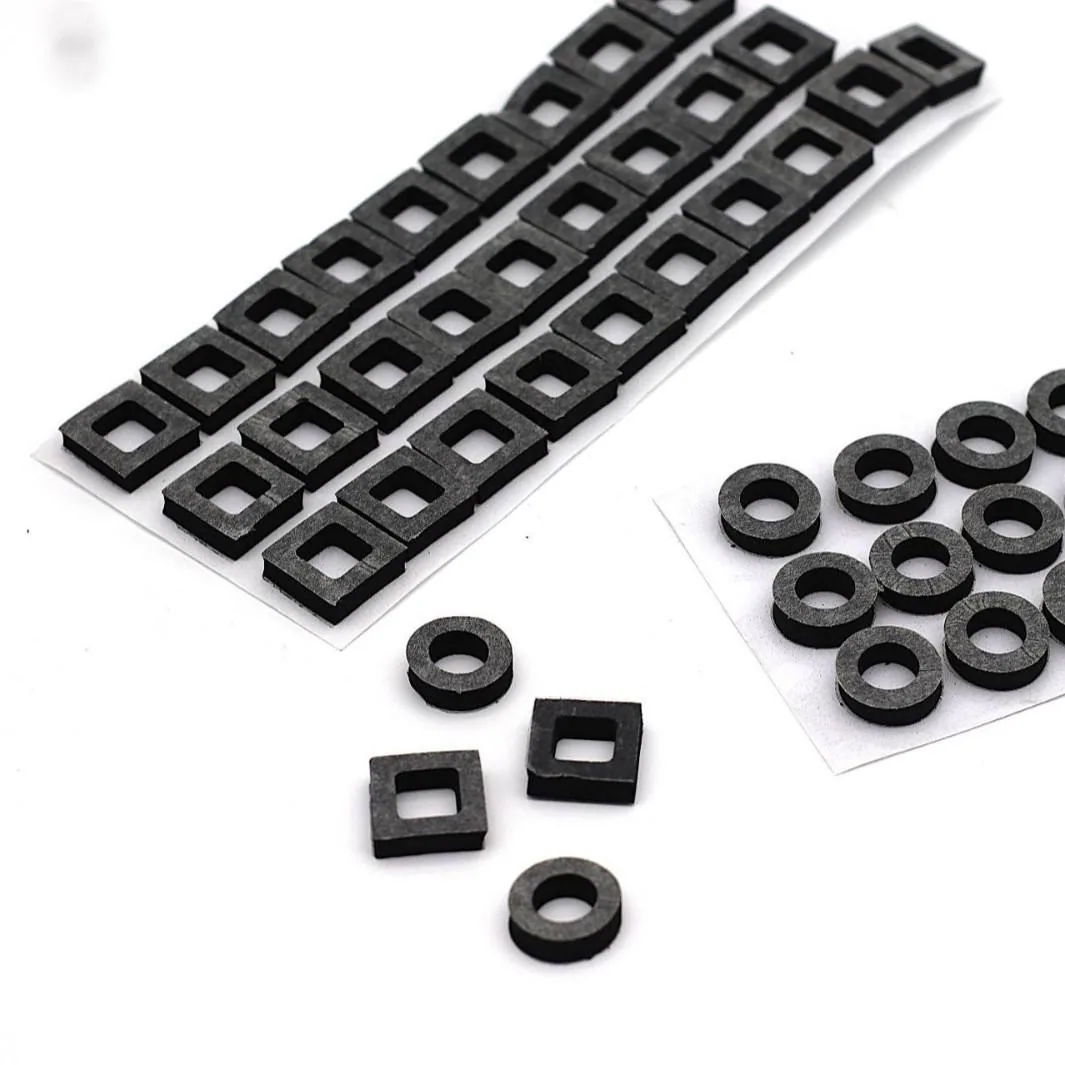 Part type
 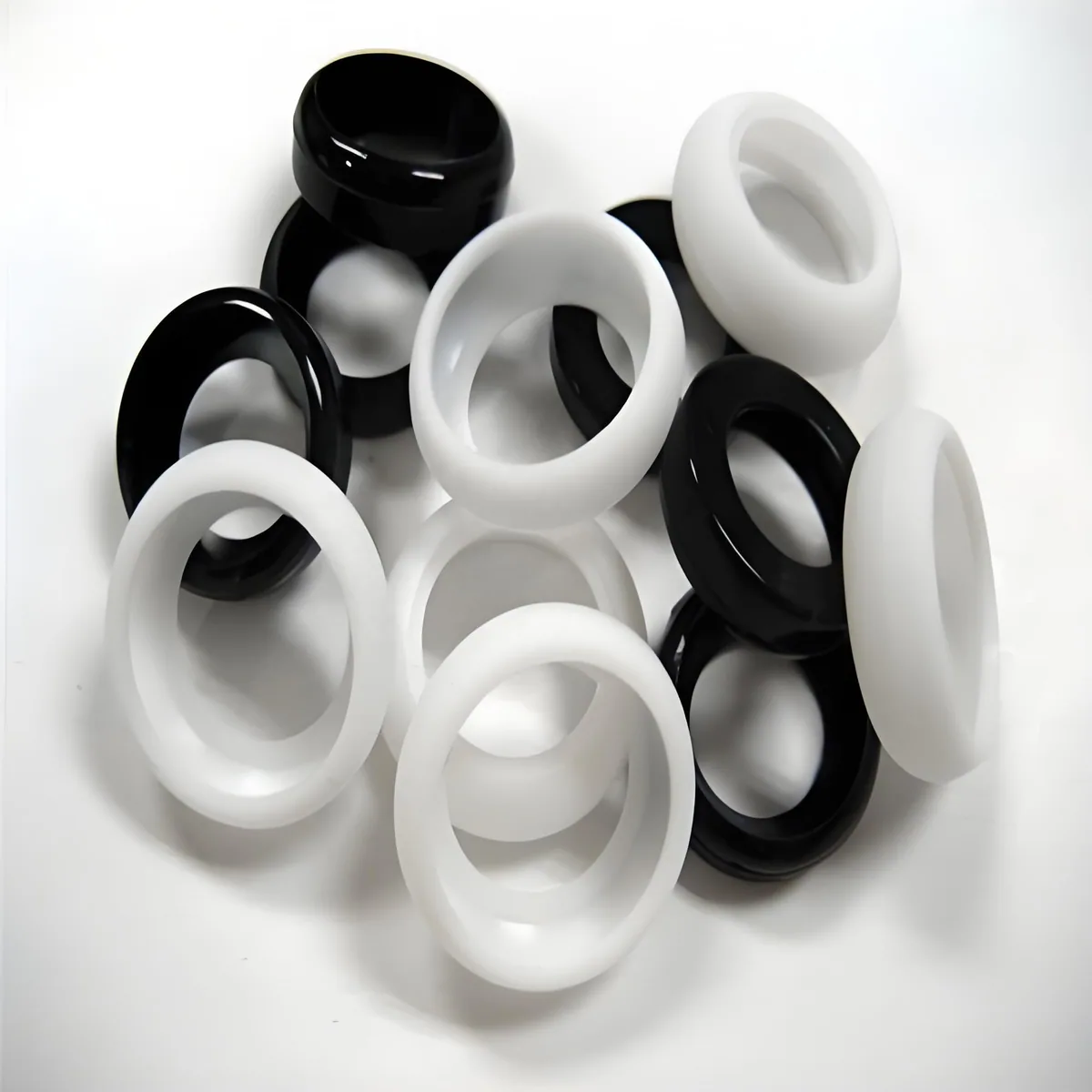 Part type
  Part type
  Part type
  Part type
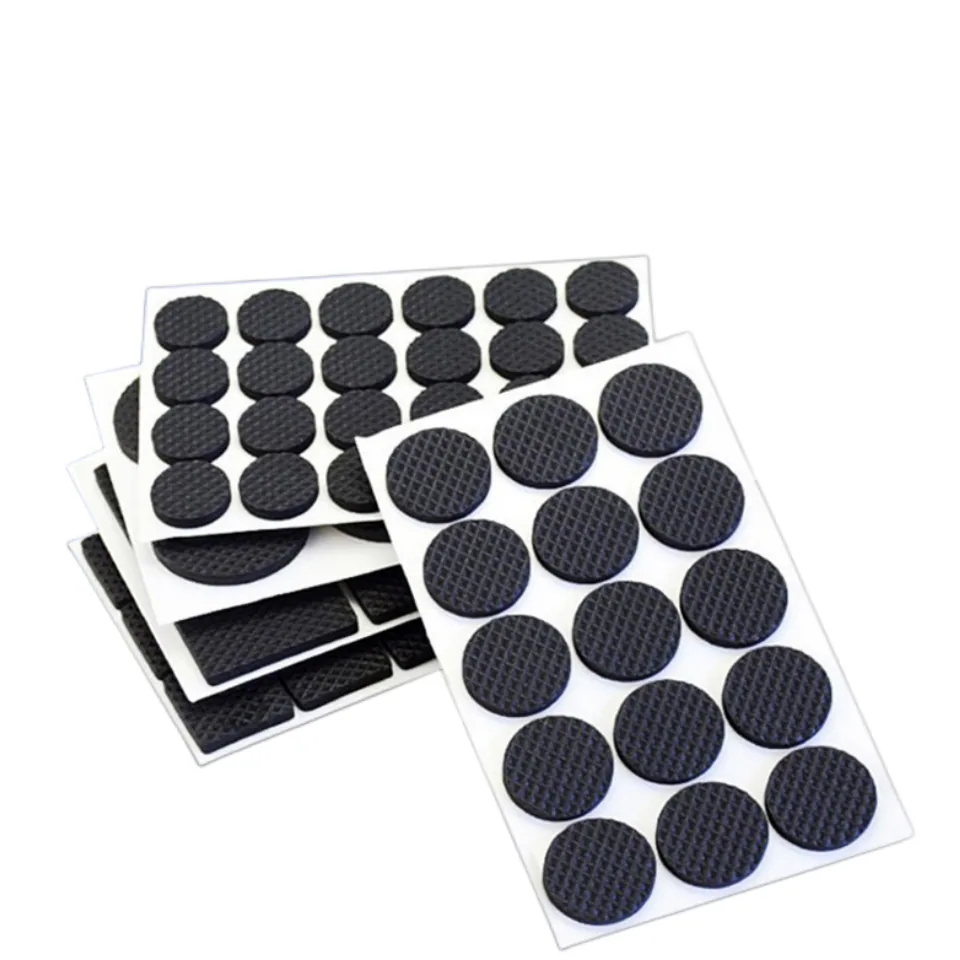
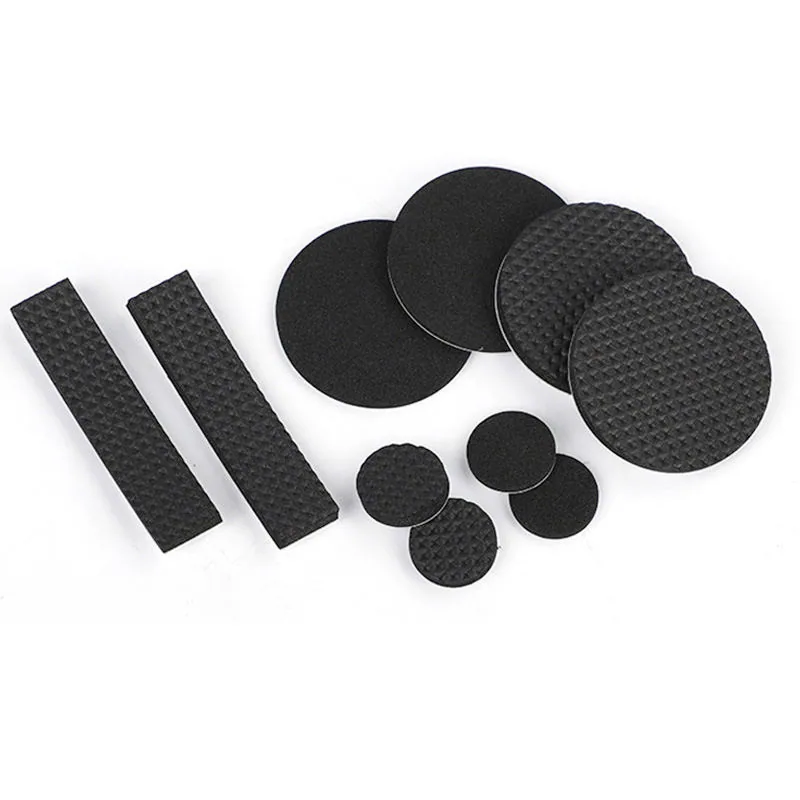
 Soft or resilient parts for contact, surface protection and vibration-related interfaces.
 Part type
  Part type
  Part type
  Part type
  Part type
 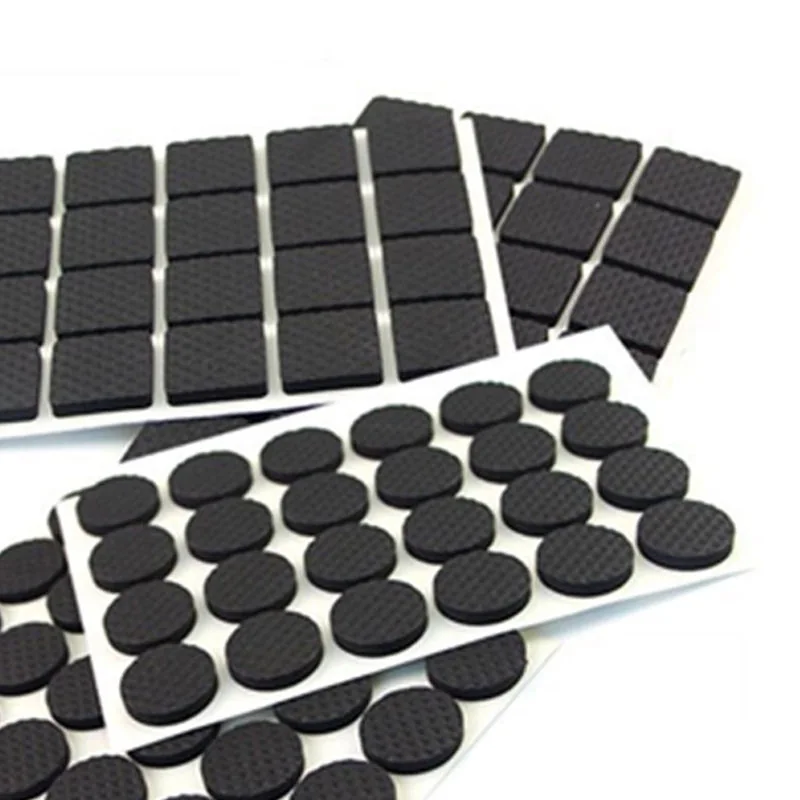 Part type
 Profiles designed around an interface, compression and environmental exposure.
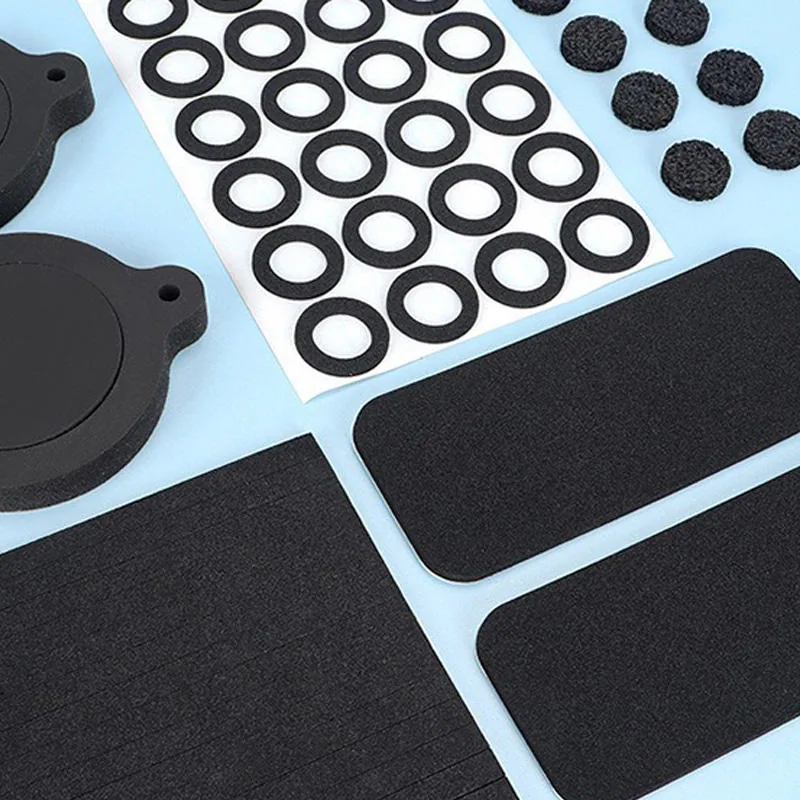 Part type
 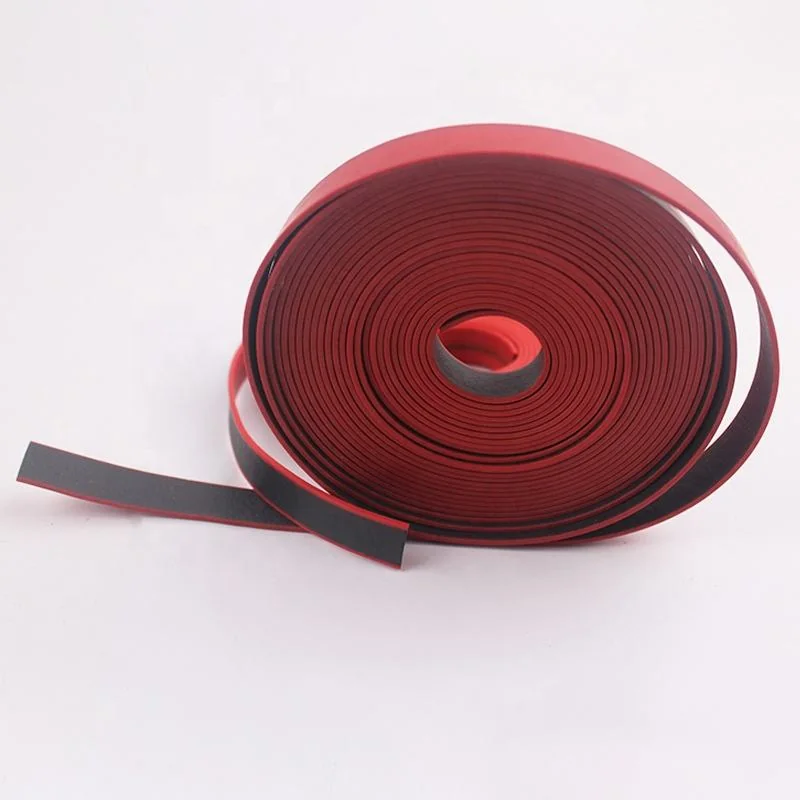 Part type
 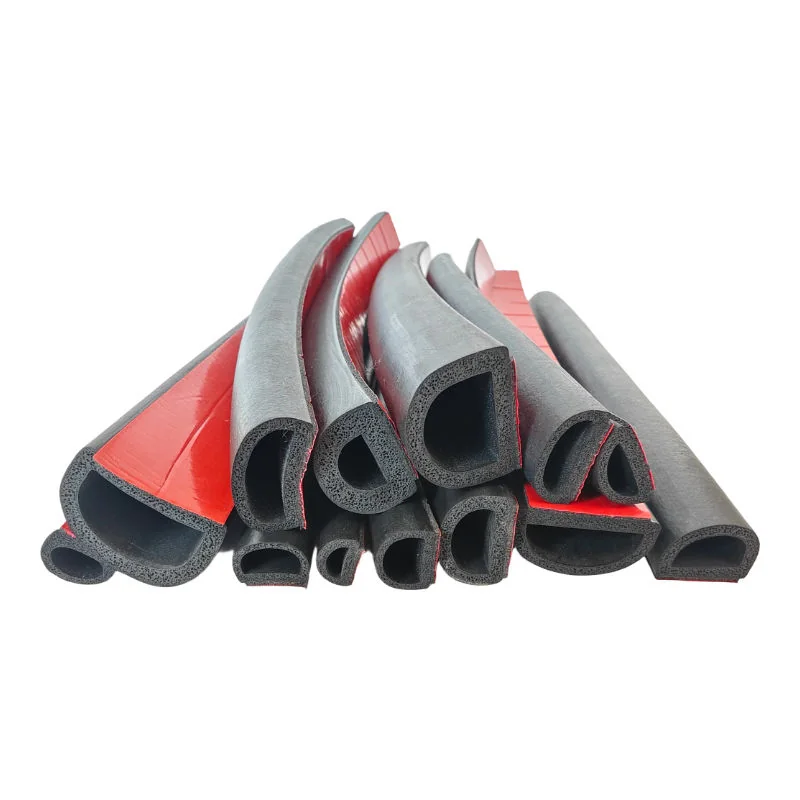 Part type
 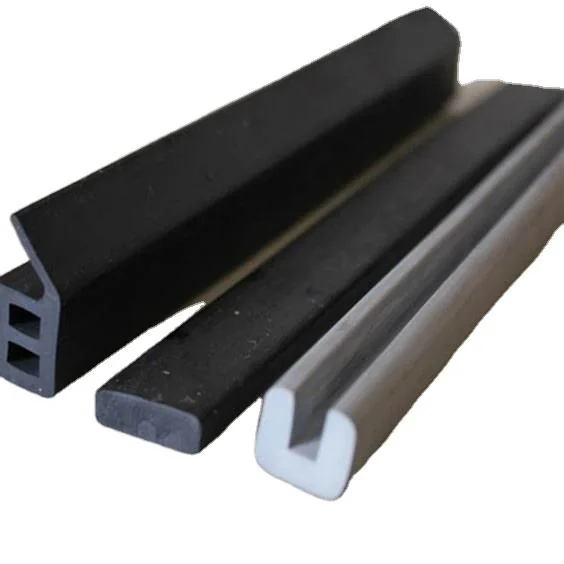 Part type
 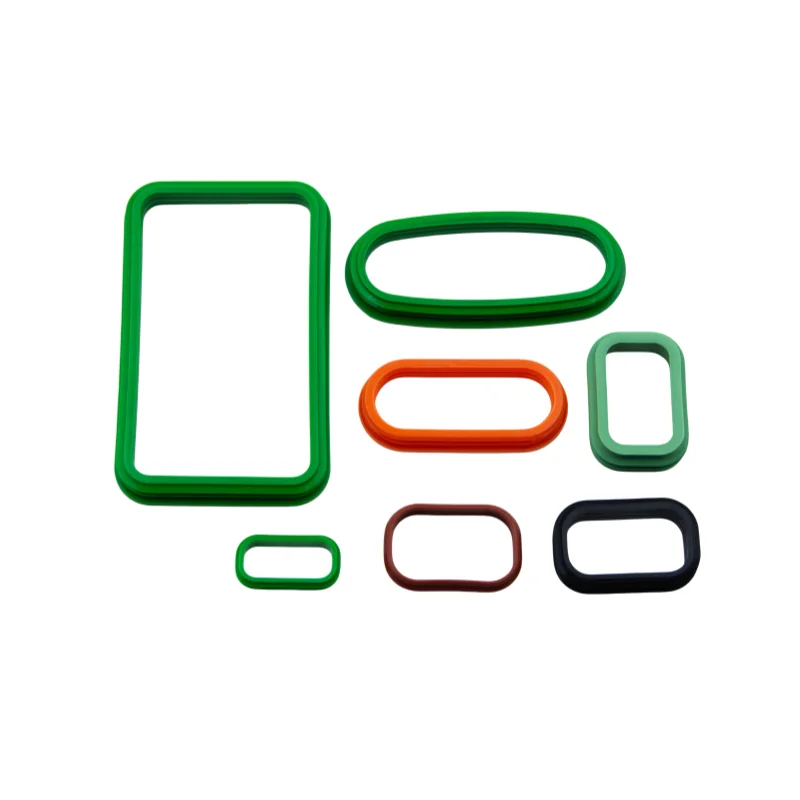 Part type
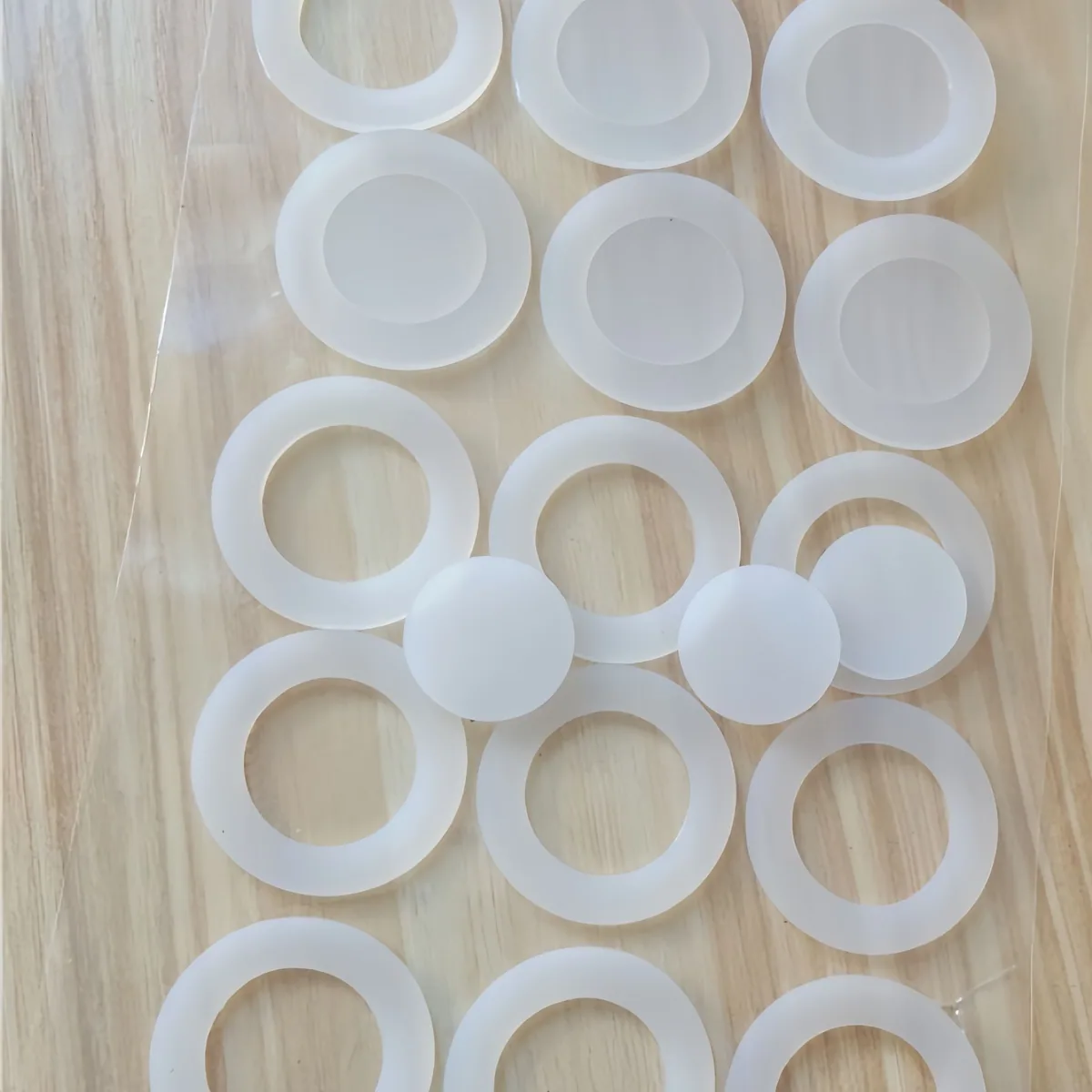
 Parts that create separation, distribute contact or isolate a mounting point.
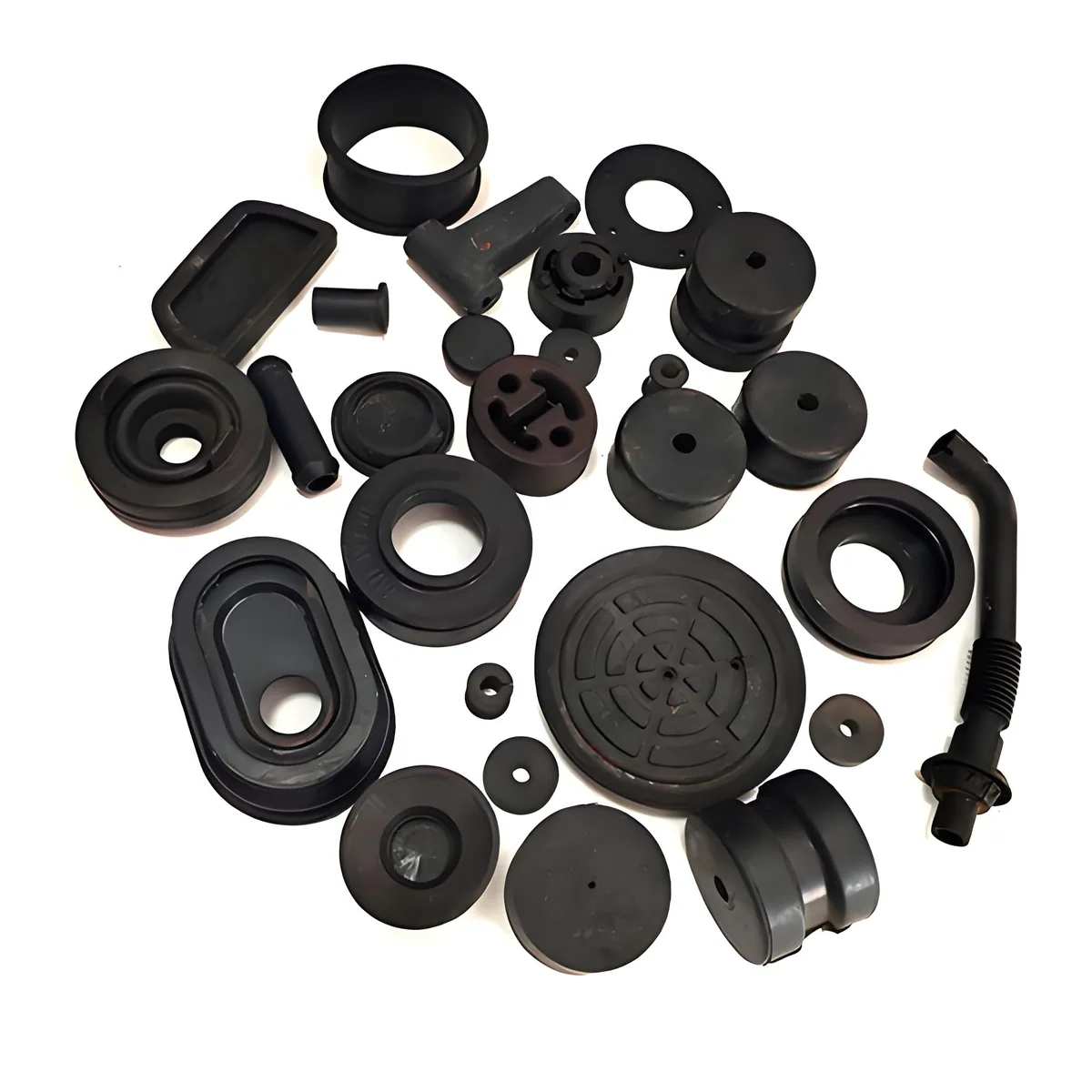 Part type
 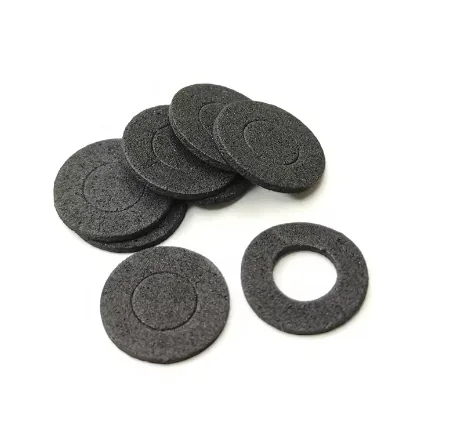 Part type
 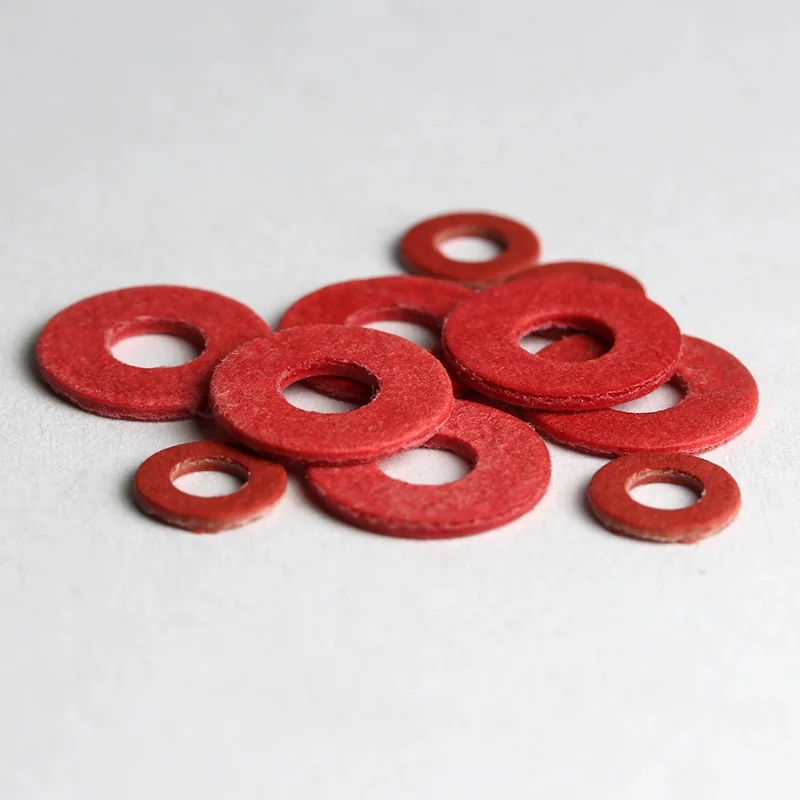 Part type
 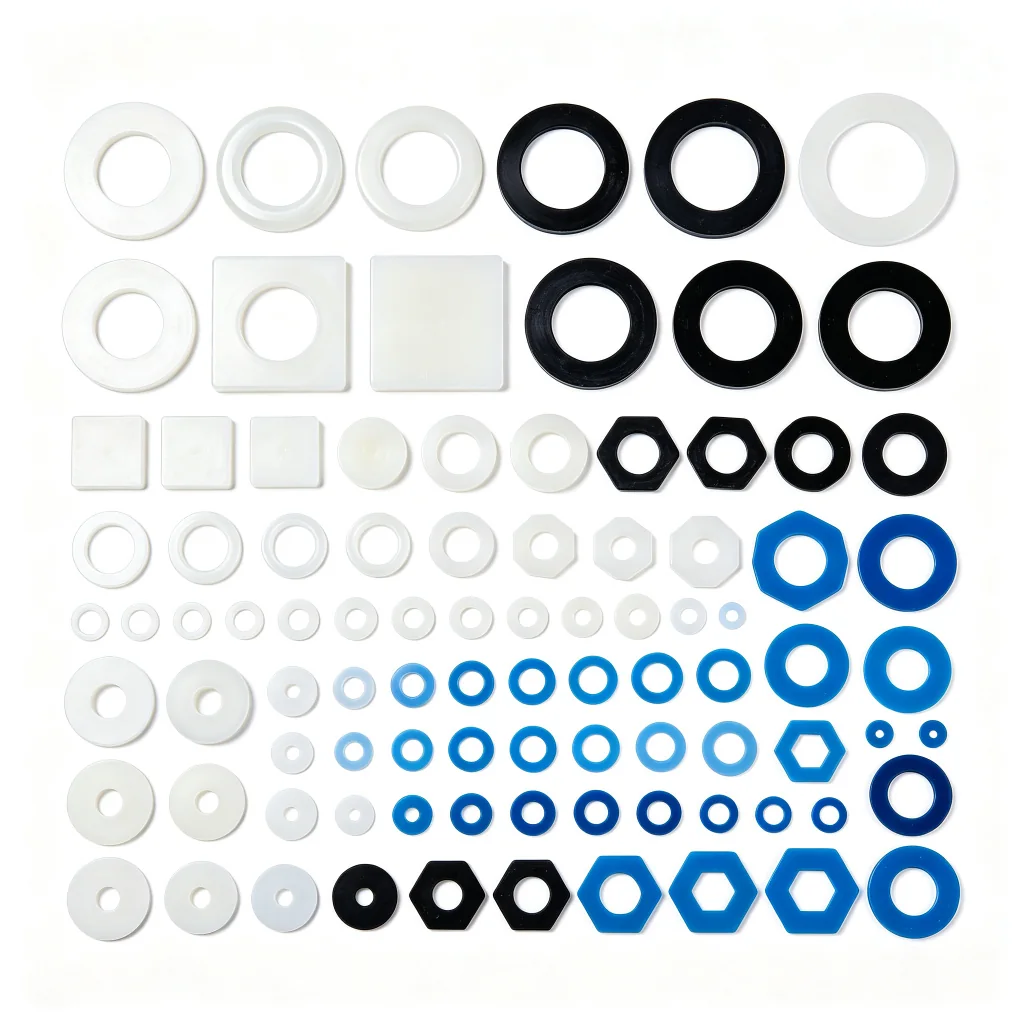 Part type
 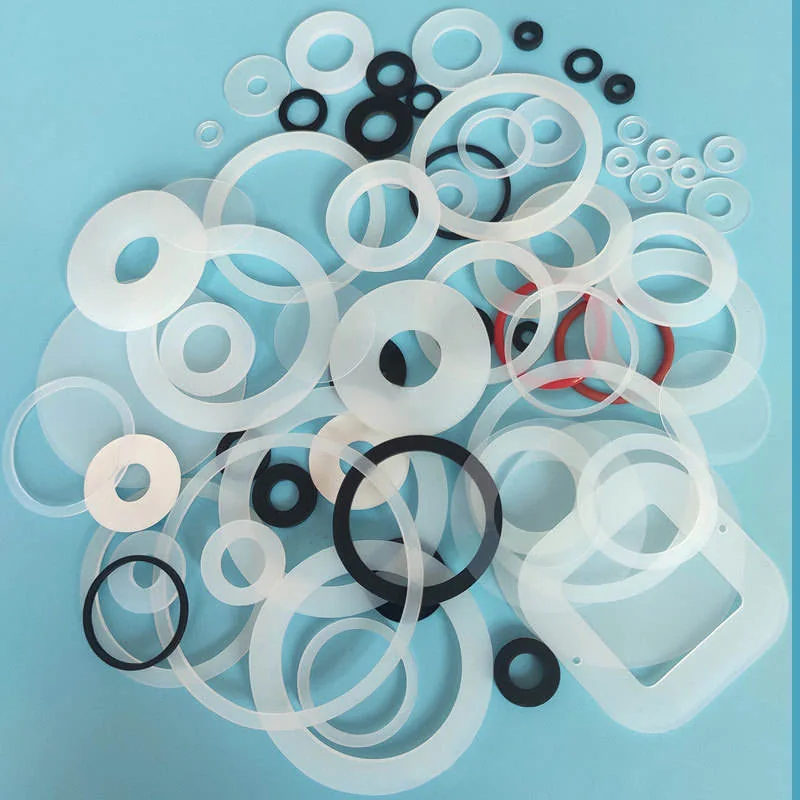 Part type
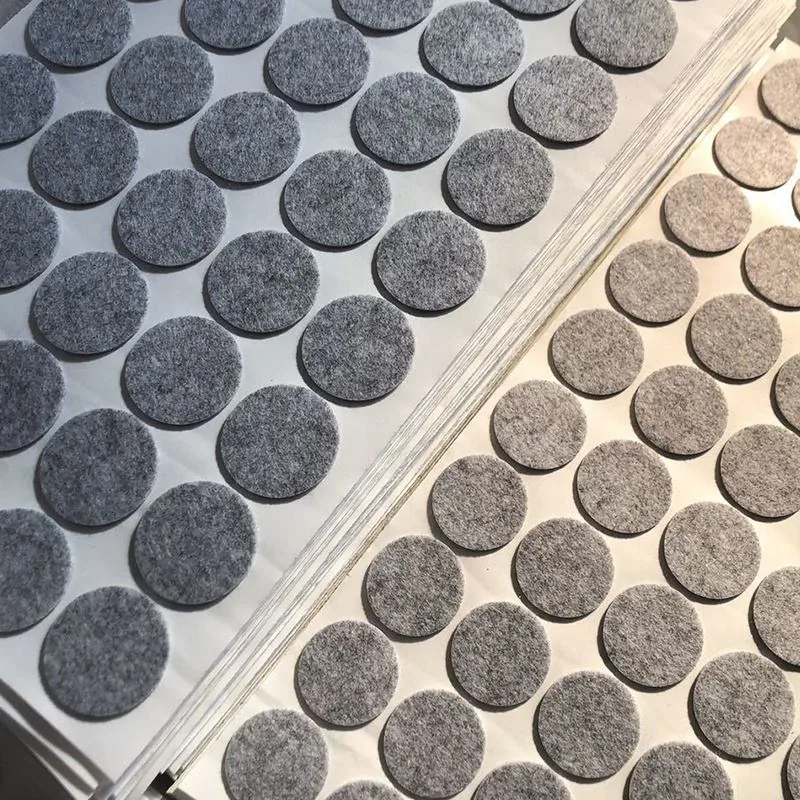
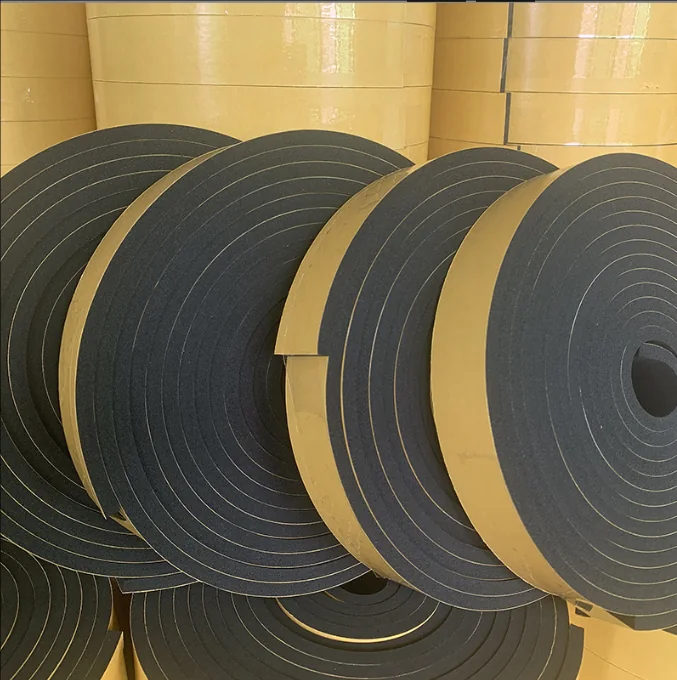
 Linered parts that support placement during assembly.
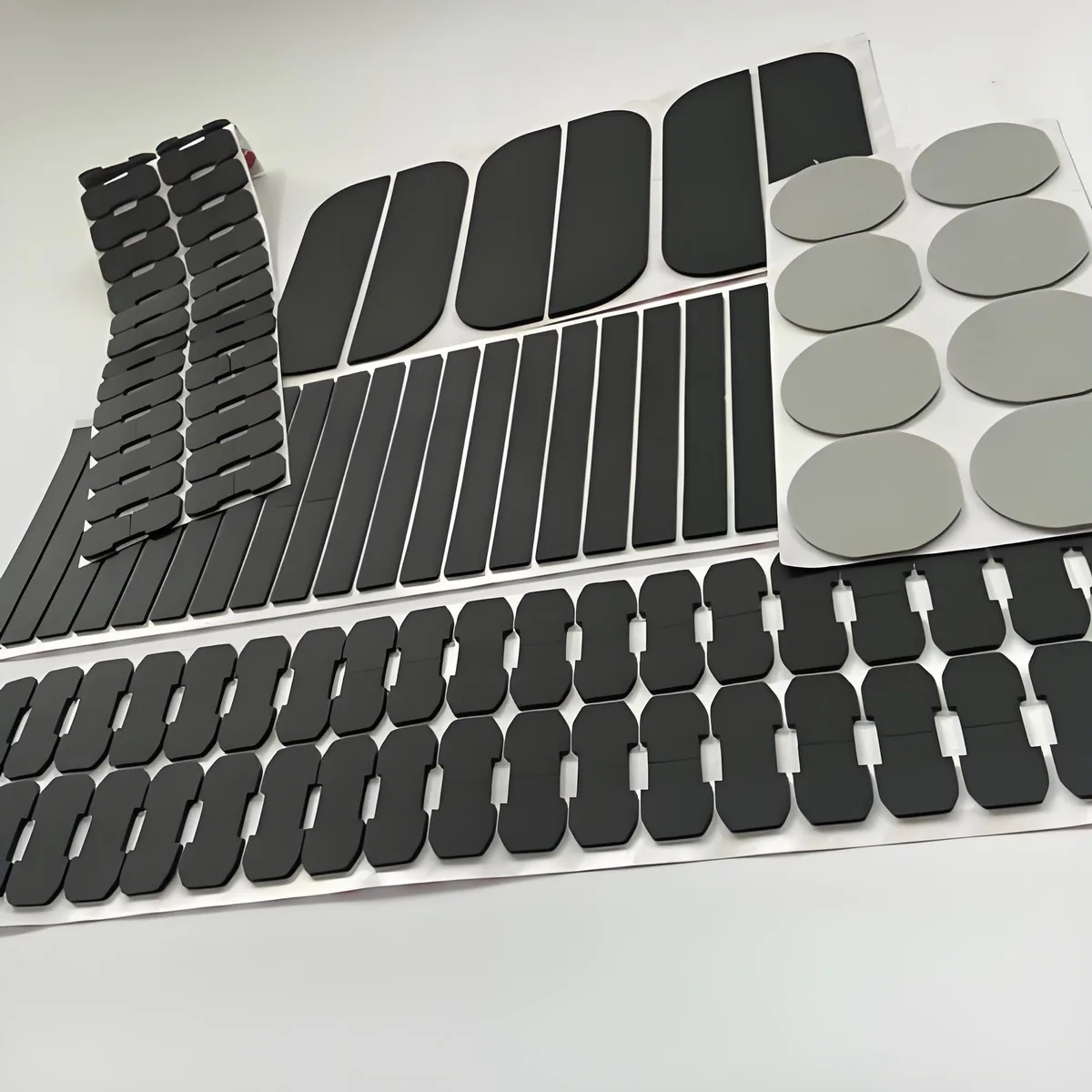 Part type
 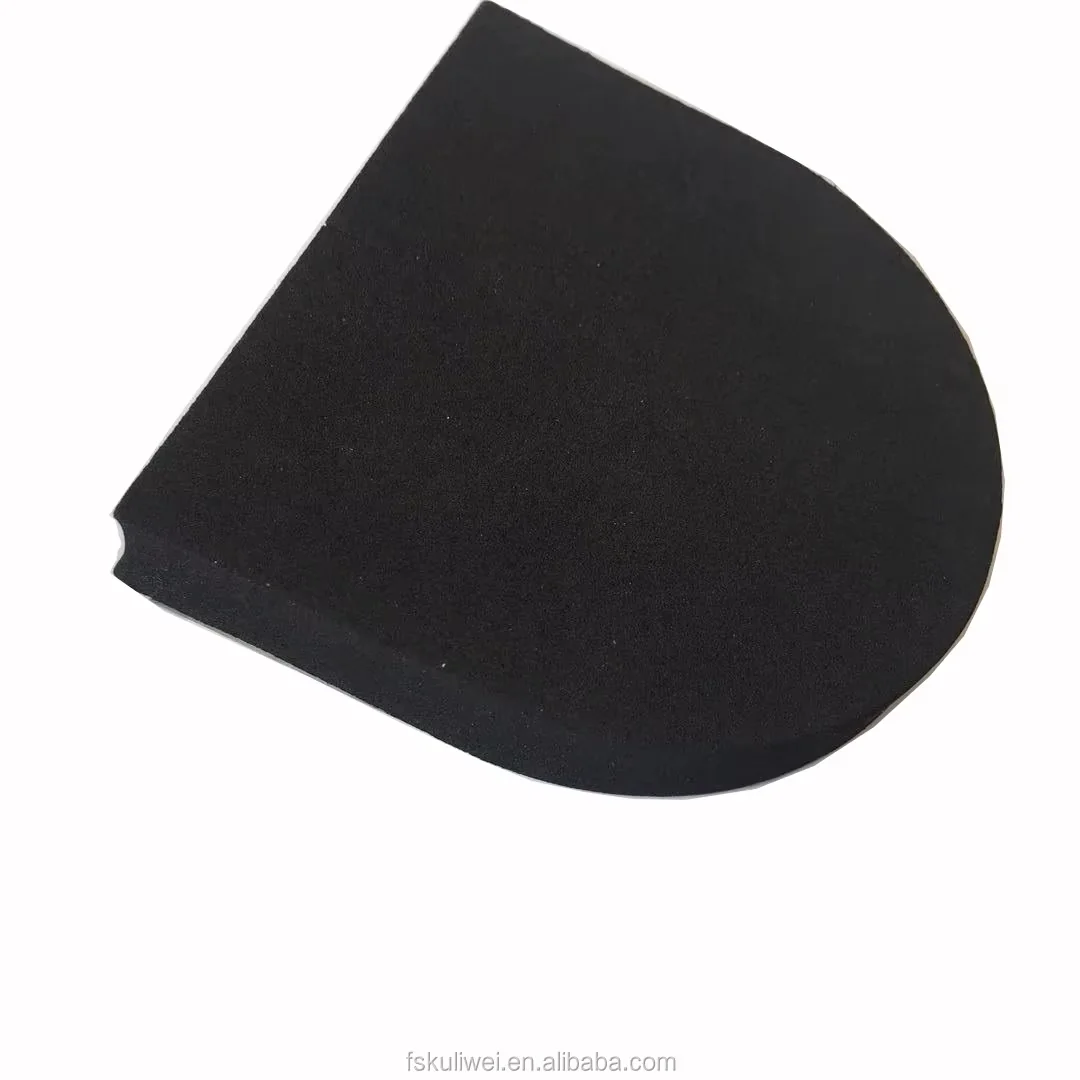 Part type
 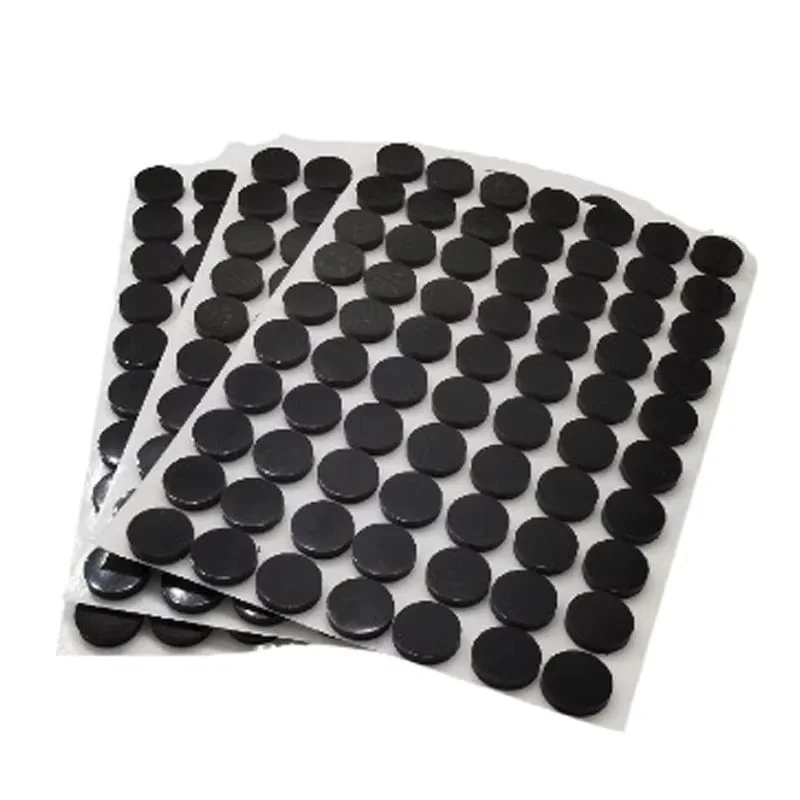 Part type
 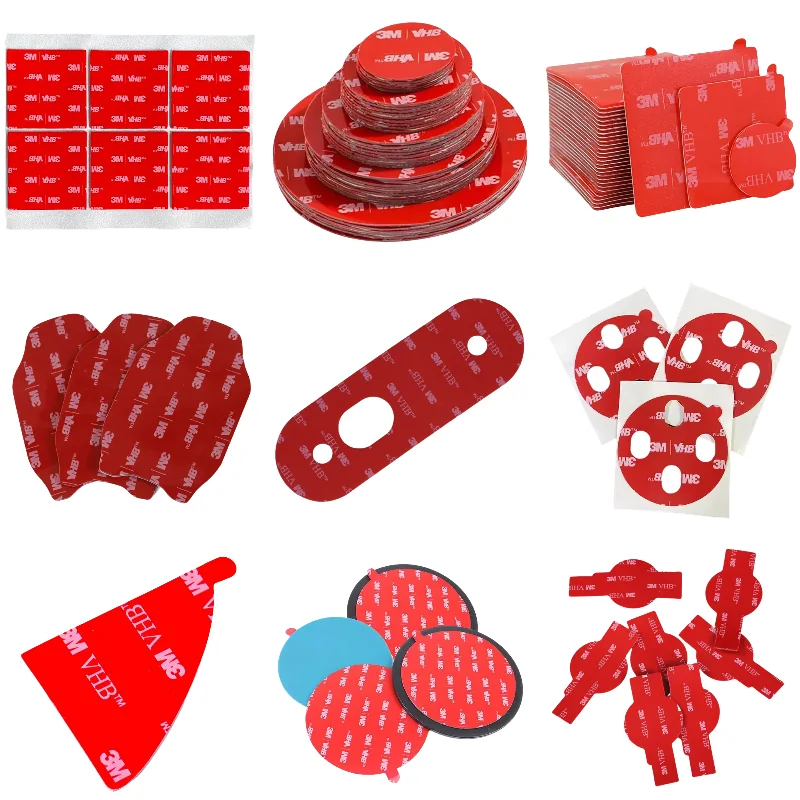 Part type
 Electrical and thermal interface parts selected around system requirements.
SELECTION MATRIX
Use this as a starting point for an RFQ—not as a universal specification. Actual material grade, thickness and process remain project dependent.
| Part type | Primary function | Common material families | Typical process | What to specify |
|---|---|---|---|---|
| Foam gasket | Low-force sealing or cushioning | Foam materials | Knife or die cutting; construction dependent | Gap, compression, environment |
| Rubber gasket | Interface sealing | Solid elastomers | Knife or die cutting | Media, compression, joint geometry |
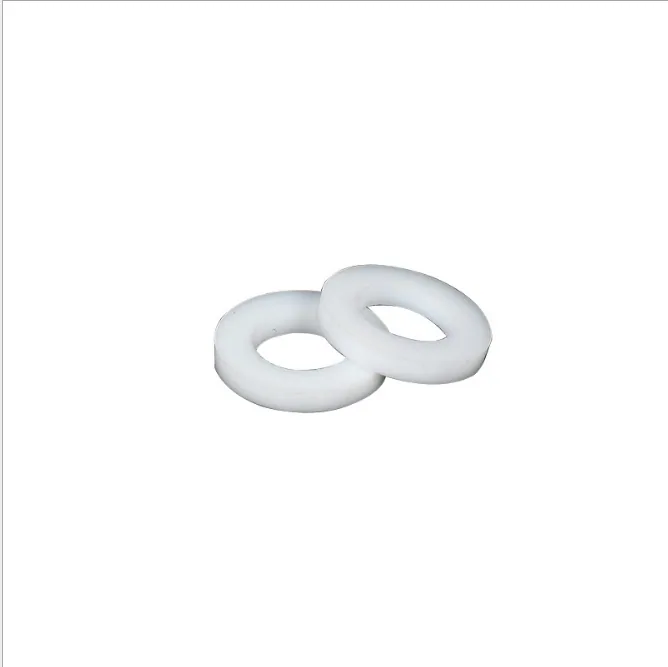
| PTFE gasket | Specialty sealing interface | PTFE | Knife or die cutting | Media, load, temperature conditions |
| Foam pad | Cushioning and protection | Foam materials | Knife or die cutting | Contact area, recovery, density |
| Rubber washer | Spacing, isolation or sealing | Solid elastomers | Knife or die cutting | Inner/outer diameter, load, exposure |
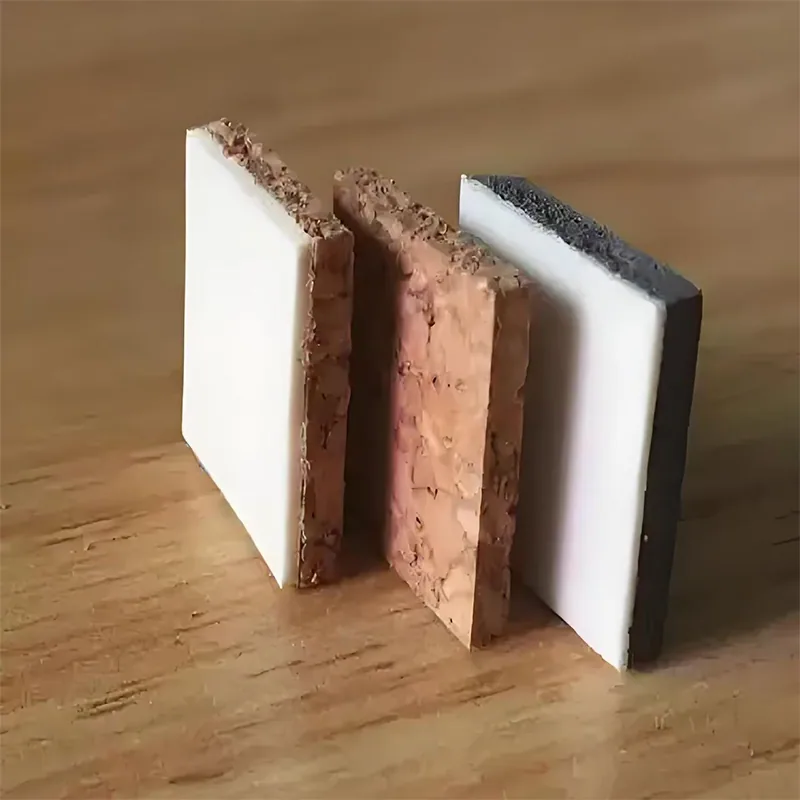
| Adhesive-backed part | Assembly placement | Foam, rubber or felt constructions | Kiss cutting or through cutting | Mounting surface, liner, handling |
ENGINEERING RELATIONSHIP
A part type is only the beginning. Foam gaskets and PTFE gaskets can share a function while needing very different material and manufacturing decisions.
Gasket, pad, washer or seal defines the functional starting point.
Rubber, foam, silicone or specialty sheet material is selected around exposure and behavior.
Thickness, density, cell structure or adhesive layers change how the material behaves.
Cutting and converting route is reviewed for profile, handling and project stage.
Assembly geometry and operating conditions confirm whether the combination is suitable.
DRAWING REVIEW
The most useful part review connects the drawing to its real job in the assembly. These inputs allow material and process questions to be separated early.
A CAD file, PDF, dimensioned sketch or clear photo establishes the profile and critical interfaces.
State whether the component seals, cushions, protects, spaces or supports assembly placement.
Describe media, weather, temperature conditions, moisture, dust and relevant contact surfaces.
Available compression, mounting method, closure sequence and delivery format can affect the design.
PROJECT START
You do not need an exact industry term to begin. Share a drawing or photo, dimensions, the part function, service environment, current material if known and quantity. The project can then be reviewed around the real requirement.
CONTINUE RESEARCH
Use the material hub to evaluate the sheet material and the capabilities hub to understand how the profile can be converted.
Custom cut parts are drawing-based components converted from flexible sheet or roll materials. They can include gaskets, seals, pads and washers. The final part is defined by its geometry, selected material, thickness or construction, and the requirements of the assembled application.
No. A drawing, photo, dimensions, the part function and the application environment provide a useful basis for review even when the industry name is unknown.
Include critical dimensions, material preference if known, thickness, quantity, mounting method and the conditions the part will see. These inputs help distinguish between a material question and a manufacturing question.
DRAWING-BASED MANUFACTURING
Send the drawing, dimensions, material requirement if known, quantity and application conditions for a focused project review.